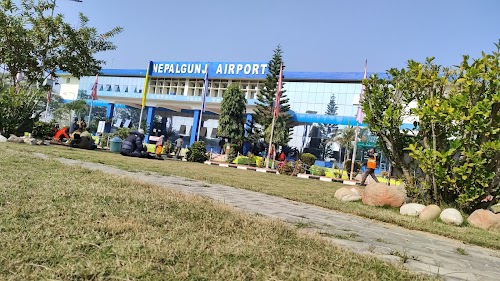
Domestic Gateway – I see Nepalgunj Airport, located in Manikapur, serves as a vital domestic air hub for the Mid-Western Development Region of Nepal. It's a key connection point for travelers heading to or from the city of Nepalgunj and its surrounding areas.
Why people come here
Air Travel – People primarily come here for domestic air travel. This airport is crucial for connecting various parts of Nepal, especially for those venturing into the remote western and far-western regions or traveling to and from the capital, Kathmandu . It's also a transit point for pilgrims and trekkers.
What to expect
Functional Experience – As a domestic airport, you can expect a functional and generally busy atmosphere, particularly during peak travel seasons. It's smaller than international airports, with a focus on essential services for domestic passengers. The environment is typically straightforward, reflecting its role as a regional transit point.
Main services available
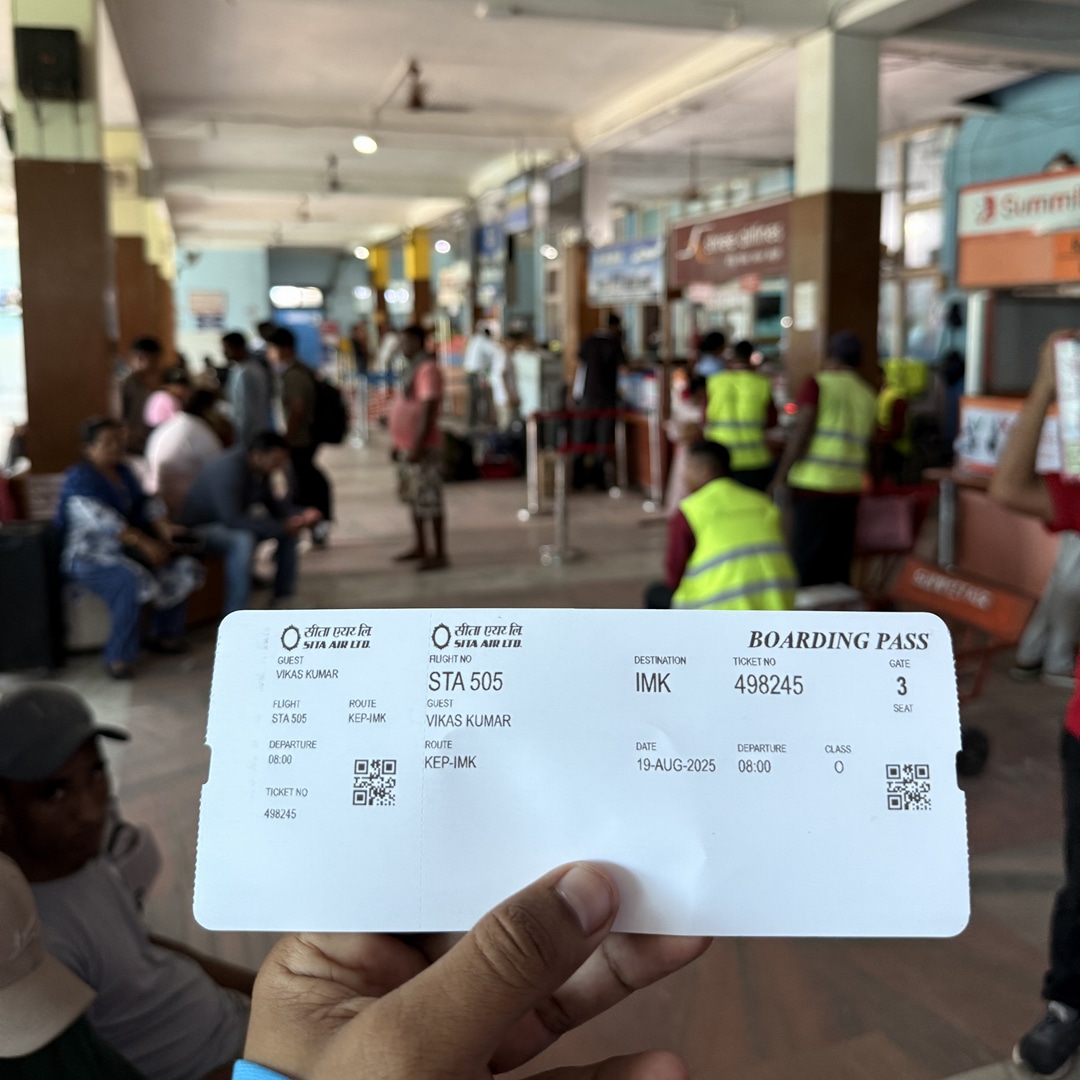
Essential Facilities – Here, I find the main services you’d expect at a domestic airport. This includes facilities for ticketing, check-in counters, security screening, and waiting areas. You'll also typically find basic refreshment stalls or small shops for snacks and drinks, along with baggage handling services.
Practical info
Daylight Operations – Operating hours at Nepalgunj Airport generally align with daylight hours, as is common for many domestic airports in Nepal. Security checks are mandatory for all passengers and luggage. It's advisable to keep your identification and flight documents readily accessible.
Tips for a smoother experience
Plan Ahead – To ensure a smooth journey, I recommend arriving at least an hour before your scheduled domestic flight to allow ample time for check-in and security procedures. It's always a good idea to check your flight status with your airline before heading to the airport, as domestic schedules can sometimes be subject to change due to weather or operational reasons.
Good to know
Regional Hub – Nepalgunj Airport plays a significant role in connecting the plains of the Terai region with the mountainous areas of western Nepal, including remote districts that are otherwise difficult to access. It's a strategic location for both passenger travel and cargo transport.