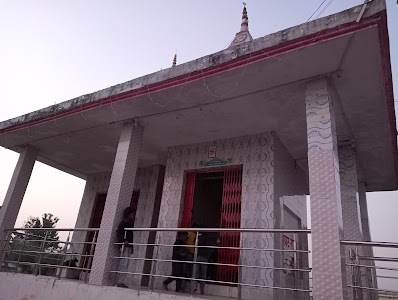
Sacred Shrine – This is a sacred Hindu shrine dedicated to Lord Shiva, revered in his Mrityunjay form. It is a place of worship and spiritual significance for the local community and devotees.
Why people come here
Seek Blessings – People typically visit this shrine to offer prayers, seek blessings from Lord Shiva, and find spiritual solace. Many come specifically to pray for health, well-being, and to overcome life's challenges, as Lord Mrityunjay is associated with conquering death and adversity.
What to expect
Peaceful Atmosphere – You can expect a peaceful and devotional atmosphere, with devotees performing traditional rituals and offering prayers. It's a place for quiet contemplation and experiencing local religious customs.
Best time to go
Prayer Hours – The best times to visit are generally during morning or evening prayer hours. Significant Hindu festivals, especially Maha Shivratri or during the holy month of Sawan, often see a larger influx of devotees and special ceremonies.
Practical info
Timings and Dress Code – The shrine is typically open from morning until evening. I recommend dressing modestly, covering shoulders and knees, out of respect for the sacred space. Visitors are usually expected to remove their footwear before entering the main shrine area.
Spiritual or cultural significance
Divine Protection – This shrine holds deep spiritual meaning, particularly for its association with Lord Shiva as 'Mrityunjay', the conqueror of death. Devotees believe that prayers offered here can grant protection, longevity, and healing. The 'Dih Baba' aspect often signifies a historical or locally revered deity, adding to its cultural importance within the community.
Visitor etiquette
Respectful Conduct – When visiting, I encourage maintaining a respectful demeanor and quiet atmosphere. Photography might be restricted in certain areas, especially inside the sanctum sanctorum, so it's always good to observe local signs or ask.