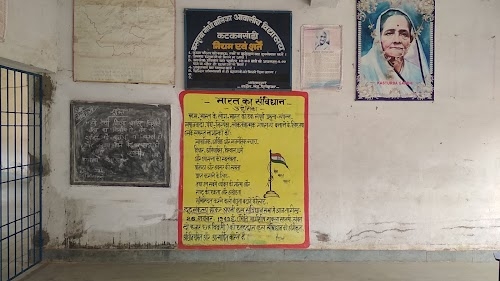
Residential School – This is Kasturba Gandhi Balika Vidyalaya (KGBV), a government-run residential school located in Katkamsandi, Hazaribagh. I understand it is part of a nationwide scheme in India aimed at providing educational facilities for girls from disadvantaged backgrounds.
Why people come here
Education & Empowerment – People primarily interact with KGBVs for educational purposes. This institution serves as a crucial center for providing quality education and safe residential facilities to girls, especially those from Scheduled Castes, Scheduled Tribes, Other Backward Classes, and minority communities.
Community Support – It plays a vital role in the empowerment of girls by ensuring access to education in areas where schooling might otherwise be challenging due to socio-economic factors or geographical distance. Families send their daughters here for a structured learning environment and holistic development.
What to expect
Structured Environment – I expect a structured and disciplined environment focused on academic learning and personal development. As a residential school, it provides living facilities alongside educational programs, fostering a community among the students.
Learning Focus – You can expect to see facilities geared towards education, such as classrooms, and potentially dormitories and common areas for students. The atmosphere is generally one of learning and growth, aimed at nurturing young minds.
Practical info
Operational Hours – As an educational institution, its main activities typically occur during daytime school hours, with residential facilities operating 24/7 for students. Access for visitors or external interactions usually requires prior arrangement.
Visitor Access – Generally, access to the premises is restricted to authorized personnel, students, and their guardians. If you need to visit for official purposes, it's advisable to contact the school administration beforehand to understand their specific protocols.
Good to know
Government Initiative – The KGBV scheme is a significant government initiative designed to reduce gender disparities in education, particularly at the upper primary level. These schools are instrumental in promoting literacy and social inclusion among girls in rural areas.
Community Impact – These institutions often become pillars of their local communities, providing not just education but also a safe haven and opportunities for future advancement for their students.