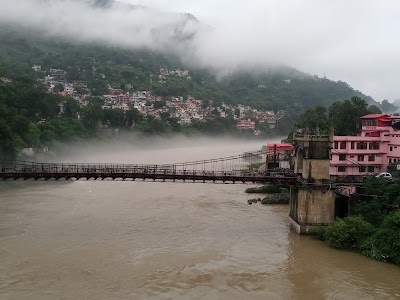
Colonial era landmark – This iconic suspension bridge was built in 1877 during the reign of Raja Vijai Sen of Mandi. Named after Queen Victoria, it stands as a testament to colonial-era engineering and has been a crucial link in the town's history.
Why People Come Here
Scenic views and crossing – Many visitors come to admire its unique architecture and enjoy picturesque views of the Beas River flowing beneath. It's also a vital pedestrian link, connecting the old town with other areas of Mandi.
What to Expect
Lively pedestrian experience – You can expect a vibrant atmosphere, often bustling with locals and tourists crossing on foot. The bridge offers a gentle sway, and I find the panoramic views of the river and the surrounding landscape quite captivating.
Key Highlights
Architectural marvel – The primary highlight is the bridge itself, with its distinctive suspension design and historical significance. The stunning vistas of the Beas River and the Mandi townscape from the bridge are also a major draw.
Best Time to Go
Daylight for scenery – I recommend visiting during daylight hours to fully appreciate the bridge's structure and the scenic beauty of its surroundings. Mornings and late afternoons often provide the best light for photography.
Practical Info
Pedestrian-friendly access – This bridge is primarily for pedestrians, offering a safe and enjoyable walking experience. While some light vehicles might be permitted, it's generally a foot-traffic area.
Good to Know
"Loha Pul" – Locals affectionately refer to this bridge as "Loha Pul," meaning "Iron Bridge," a nod to its robust construction and long-standing presence in the community. It's more than just a crossing; it's a piece of Mandi's heritage.