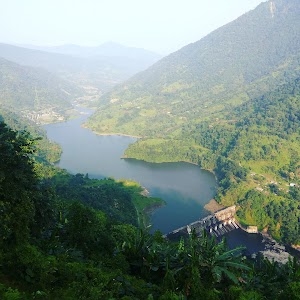
Himalayan Village – Yazali is a serene village nestled in the picturesque Lower Subansiri district of Arunachal Pradesh , India. It forms part of the unique landscape of the Eastern Himalayas, offering a glimpse into a distinct way of life and natural beauty.
Why people come here
Nature & Culture – Visitors are drawn to Yazali for its untouched natural environment, including lush green valleys and flowing rivers. It's also an opportunity to experience the rich cultural heritage of the indigenous Apatani tribe. I find it to be a place for quiet exploration and cultural immersion.
What to expect
Tranquil Experience – Expect a peaceful and unhurried atmosphere, far removed from urban bustle. The village offers scenic vistas, fresh mountain air, and the chance to observe traditional Apatani customs and their unique agricultural practices. The pace of life here is slow and reflective.
What to do here
Exploring Nature
Outdoor Activities – I find that Yazali is ideal for various outdoor activities. You can enjoy gentle walks through paddy fields, explore nearby forests, or simply relax by the Subansiri River . It's a great spot for photography, capturing the landscapes and local life.
Cultural Immersion
Local Life – Engage with the local Apatani community to learn about their distinctive culture, sustainable farming methods, and traditional crafts. This provides a truly authentic experience of the region's indigenous heritage.
Accessibility and effort level
Remote Access – Reaching Yazali typically involves travel through mountainous terrain, often by road from larger towns in Arunachal Pradesh. The journey can be long but offers stunning views. Once there, exploring the village and its surroundings usually involves moderate walking on uneven paths.
Good to know
Apatani Heritage – Yazali is deeply connected to the Apatani tribe, known for their unique terraced wet rice cultivation system and sustainable resource management. Their distinct cultural practices, including traditional attire and facial tattoos among older women, are integral to the region's identity. I find their approach to agriculture particularly fascinating.