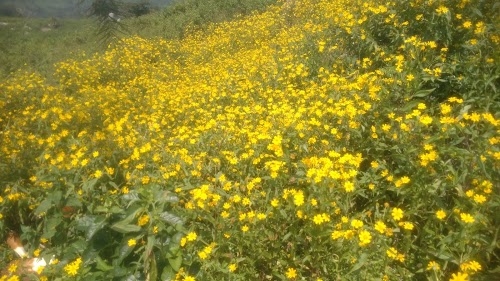
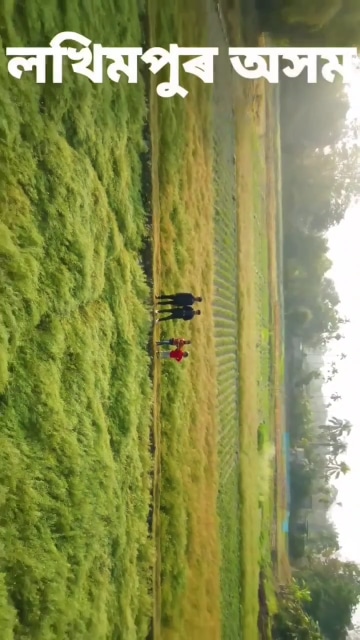
District Overview – Lakhimpur is a significant administrative district located in the upper reaches of Assam, India. I see it as a region defined by its fertile plains, rich agricultural traditions, and a landscape shaped by the mighty Brahmaputra River and its tributaries, particularly the Subansiri. It serves as a gateway to the northeastern parts of Assam and Arunachal Pradesh.
Why people come here
Natural & Cultural Immersion – People typically come to Lakhimpur to experience the serene beauty of rural Assam, immerse themselves in its unique cultural tapestry, and explore its natural surroundings. I find that visitors are often drawn to its tranquil environment, local festivals, and the chance to witness traditional Assamese life.
What to expect
Tranquil Rural Experience – When you visit Lakhimpur, I expect you to find a peaceful, green environment dominated by paddy fields, tea gardens, and lush vegetation. It’s a place where the pace of life is slower, offering a stark contrast to bustling cities. You can anticipate encountering local markets, traditional villages, and a warm, hospitable community.
Best time to go
Cooler Months – I suggest visiting Lakhimpur during the cooler, drier months. The period from October to March generally offers pleasant weather, making it ideal for exploring the outdoors and enjoying local festivities without the discomfort of heavy monsoons or intense summer heat.
Practical info
Local Transport & Respect – Navigating Lakhimpur often involves local transport like shared jeeps, auto-rickshaws, or private taxis. I recommend being prepared for varied road conditions, especially in more rural areas. Always remember to respect local customs and traditions, particularly when visiting religious sites or engaging with the community.
Good to know
Cultural & Historical Sites – Lakhimpur holds several places of cultural and historical interest. For instance, I note the presence of significant Vaishnavite monasteries like Madhabdev Than and Basudev Than , which are important centers of Assamese culture and spirituality. These sites offer a glimpse into the region's rich heritage.