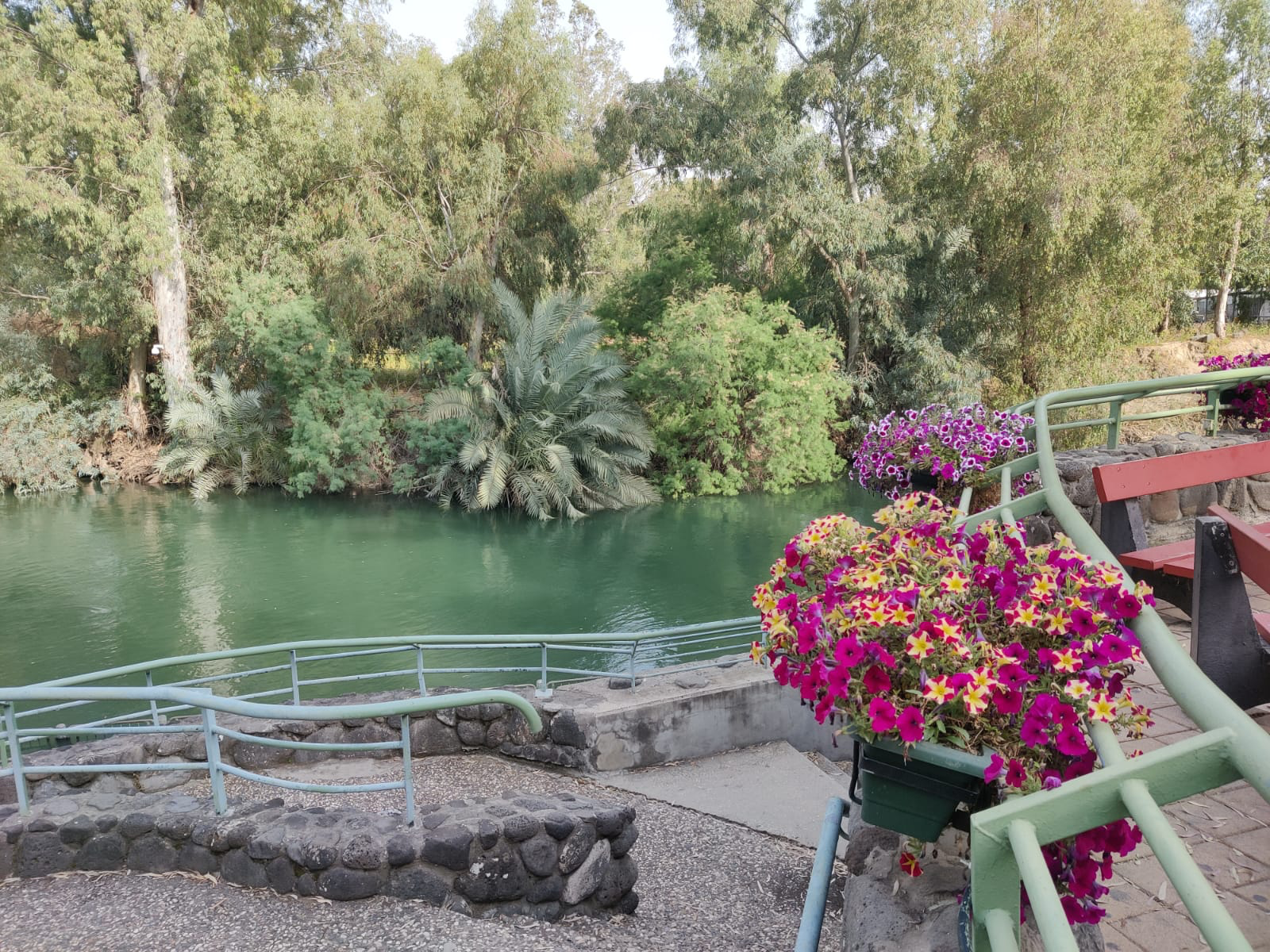
River – The Jordan River is a significant waterway in the Middle East, flowing approximately 251 kilometers (156 miles) from its sources in the Anti-Lebanon mountains to the Dead Sea.
What is this place?
Natural Boundary – This is a river that forms a natural boundary between several countries in the Levant region. It holds immense historical, religious, and ecological importance.
Why people come here
Pilgrimage & History – People often visit the Jordan River for its profound religious significance, particularly for Christians who believe it to be the site of Jesus's baptism. It also draws those interested in biblical history and the natural landscape of the region.
What to expect
Sacred & Serene – You can expect a generally serene and reflective atmosphere, especially at designated pilgrimage sites. While some sections are developed for visitors, other parts remain more natural. The river's flow and depth can vary depending on the season and specific location.
Best time to go
Spring & Autumn – The most pleasant times to visit are typically during the spring (March to May) and autumn (September to November) when the weather is milder. Summers can be very hot, and winters can bring cooler temperatures and occasional rain.
Practical info
Variable Access – Access to the Jordan River varies significantly along its length due to political borders and environmental factors. Designated visitor sites, such as baptismal locations, generally have facilities. Always check specific access points for opening hours and any entry requirements.
Good to know
Religious Sites – The river is closely associated with several religious sites, including Qasr el Yahud on the west bank and Al-Maghtas (Bethany Beyond the Jordan) on the east bank. These are popular pilgrimage destinations.
What to do here
Reflection & Observation – At accessible points, you can engage in quiet reflection, observe the river, and learn about its historical and religious context. Some sites offer opportunities for symbolic baptisms or spiritual ceremonies. Photography is generally permitted, but always be mindful of others, especially at sacred locations.
Safety and preparedness
Respectful Conduct – Always follow local guidelines and show respect, especially at religious sites. Be aware of your surroundings and stay hydrated, particularly during warmer months.
Accessibility and effort level
Varies by Site – Accessibility ranges from easily reachable, well-maintained visitor centers at pilgrimage sites to more remote or restricted areas. Most designated visitor locations are generally accessible, often with paved paths and facilities.