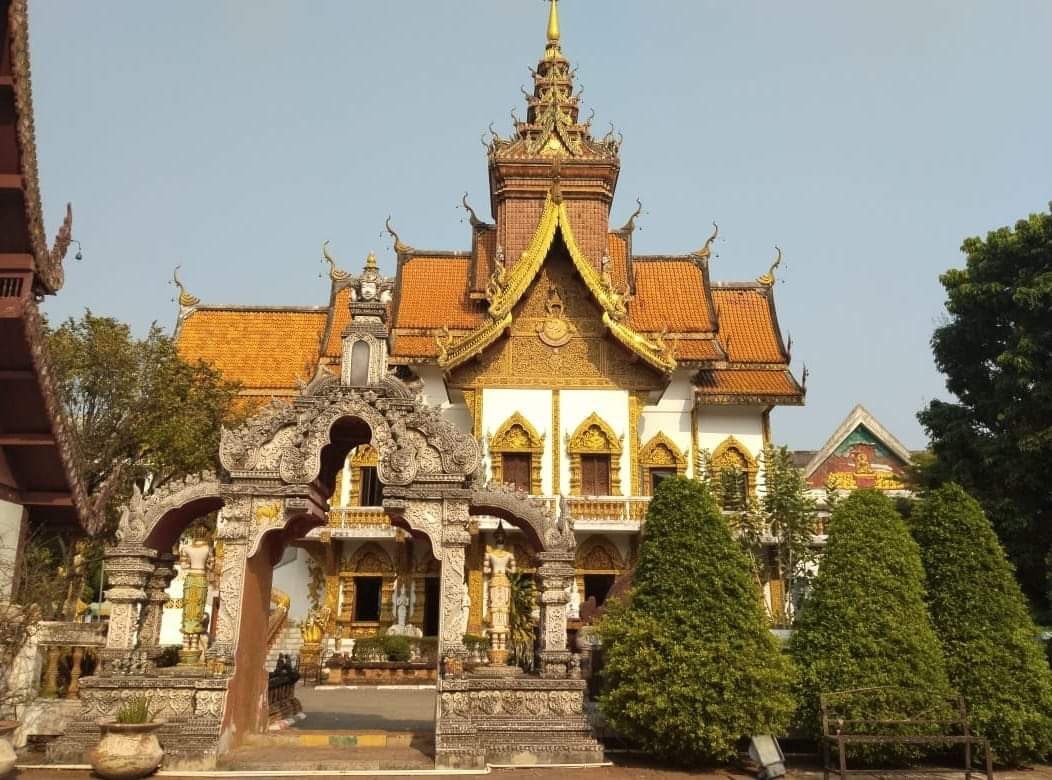
Old City, Mueang Chiang Mai District, Chiang Mai, Thailand
What is this place?
Historic Core – This is the ancient heart of Chiang Mai, a square-shaped district enclosed by a moat and remnants of old city walls. It served as the capital of the Lanna Kingdom for centuries and remains a vibrant cultural and spiritual center today.
Why people come here
Cultural Immersion – Many visitors come here to immerse themselves in Northern Thai culture, explore numerous ancient temples, and experience the unique blend of history and modern life. It’s a popular base for exploring Chiang Mai's rich heritage and enjoying its relaxed atmosphere.
Historical background
Lanna Capital – The Old City was founded in 1296 by King Mangrai as the new capital of the Lanna Kingdom. Its square layout, surrounded by a moat and defensive walls, was strategically designed. While much of the original walls have deteriorated, the moat and some gates, like Tha Phae Gate , have been restored, offering a glimpse into its past.
Key highlights
Ancient Temples – Within the Old City, you'll find over 30 temples, each with its own unique history and architectural style. Notable ones include Wat Phra Singh , known for its exquisite Lanna art and the revered Phra Singh Buddha image, and Wat Chedi Luang , a majestic ruined chedi that once housed the Emerald Buddha. The area also hosts vibrant markets, particularly the Sunday Walking Street, offering local handicrafts and street food.
What to expect
Lively Atmosphere – Expect a bustling yet relaxed environment where ancient temples stand alongside guesthouses, cafes, and local shops. The streets are generally walkable, though traffic can be present. It suits those interested in history, culture, and a blend of urban exploration with spiritual tranquility. Crowd levels vary, with temples being quieter in the mornings and markets becoming very busy in the evenings, especially on weekends.
Practical info
Easy to Navigate – The Old City is relatively compact and easy to explore on foot, by bicycle, or via local songthaews (red trucks) and tuk-tuks. Most temples are open from early morning until late afternoon, typically requiring respectful attire covering shoulders and knees. Entry to many temples is free, though some may ask for a small donation or fee to enter specific chapels or museums.
Good to know
Cultural Hub – I find that the Old City acts as a living museum, where traditions are actively practiced. You might witness monks collecting alms in the morning or hear temple bells chime throughout the day. It's a place where history isn't just displayed, but lived.