
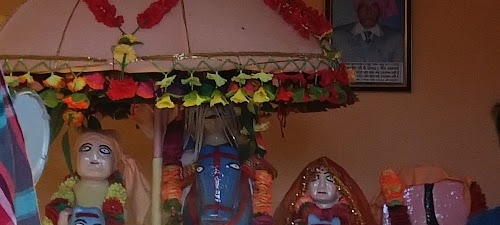



Guga Jahar Peer Temple, Himachal Pradesh, India
What is this place? – I see this is a revered Hindu temple dedicated to Guga Pir, a folk deity also known as Gogaji, who is widely worshipped in North India. It's a significant pilgrimage site, especially for devotees seeking blessings for protection and well-being.Why people come here – People typically visit this temple to offer prayers, seek blessings from Guga Pir, and participate in religious ceremonies. Many come to express gratitude for wishes fulfilled or to pray for the welfare of their families and livestock.
What to expect – You can expect a serene and spiritual atmosphere, often filled with devotees chanting and performing rituals. The temple attracts a mix of locals and pilgrims, especially during festivals. The environment is generally peaceful, though it can get crowded on auspicious days.
Spiritual or cultural significance – This temple holds deep spiritual significance, primarily for followers of Guga Pir, a warrior-saint believed to protect against snake bites and other misfortunes. The annual Guga Navami festival is a major event here, celebrating his birth and valor.
Visitor etiquette – When you visit, it's customary to dress modestly, covering your shoulders and knees, as a sign of respect. Photography rules may vary, so it's always good to observe signs or ask if unsure. Maintaining a respectful demeanor and silence during prayers is appreciated.
Best time to go – The cooler months from September to March are generally more comfortable for visiting. If you wish to experience the vibrant festivities, plan your visit around the Guga Navami festival, which typically falls in August or September.
Practical info – Timings and specific rituals can vary, so it's a good idea to check locally upon arrival. While there might be basic facilities, it's always wise to be prepared, especially if you're visiting during peak festival times. Accessibility might involve some walking.
Good to know – Many devotees offer sweets and milk to the deity as part of their prayers. The temple often features traditional folk music and performances during festivals, adding to the cultural experience.
