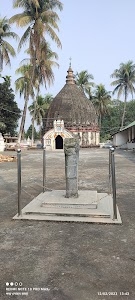
Vaishnavite Monastery – I see Chamaria Satra as a prominent Vaishnavite monastery located in the beautiful region of Assam, India. It's a significant center for the Ekasarana Dharma, a monotheistic religion founded by the saint Srimanta Sankardeva. This satra serves as a place of worship, learning, and cultural preservation.
Why people come here
Spiritual Retreat & Cultural Immersion – People typically visit Chamaria Satra for spiritual solace, to experience the unique Assamese Vaishnavite culture, and to witness the traditional practices associated with the satra institution. It's a place for devotees to offer prayers and for visitors to learn about the region's rich religious heritage.
What to expect
Peaceful Atmosphere – When you visit, expect a peaceful and serene atmosphere, conducive to contemplation. The satra generally attracts a mix of devotees, scholars, and cultural tourists. You'll likely encounter traditional Assamese architecture and the daily rituals performed by the resident bhakats (monks).
Spiritual or cultural significance
Ekasarana Dharma Hub – Chamaria Satra holds deep spiritual and cultural significance as one of the many satras established to propagate the teachings of Srimanta Sankardeva. These institutions played a crucial role in the social and cultural development of Assam, fostering art forms like Bhaona (traditional plays), Sattriya dance, and devotional music. It's a living testament to the region's spiritual legacy.
Visitor etiquette
Respectful Conduct – I recommend observing respectful conduct. Visitors are generally expected to dress modestly, covering shoulders and knees. Photography rules can vary, so it's always wise to ask for permission before taking pictures, especially inside the prayer halls. Maintaining silence and removing footwear before entering certain areas are common practices.
Practical info
General Timings – The satra typically opens early in the morning and closes in the evening, though specific timings can vary. It's usually best to visit during daylight hours. While there might not be formal guides, you may find bhakats or locals willing to share information about the satra's history and practices.
Good to know
Architectural Style – Keep an eye out for the distinctive architectural style of the satra, often featuring a 'Namghar' (prayer hall) as its central element. Many satras also have a 'Manikut' (shrine) where the main idol or holy scripture is kept. These architectural elements are integral to the satra's function and aesthetic.