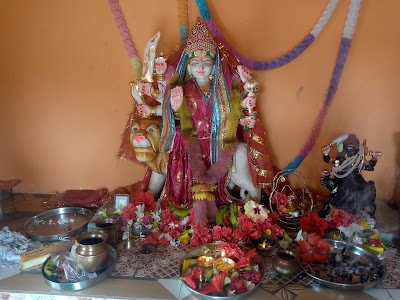
Religious Site – This is a Hindu temple dedicated to Goddess Durga, a principal deity in Hinduism, revered as the warrior goddess and protector of the righteous. It serves as a significant place of worship and spiritual gathering for the local community.
Why people come here
Worship & Blessings – People primarily visit Durga Mandir for prayer, to offer devotion to Goddess Durga, and to seek blessings for prosperity, protection, and well-being. It's a place for spiritual solace and performing religious rituals.
What to expect
Devotional Atmosphere – I expect a serene and devotional atmosphere, typical of a Hindu temple. You'll likely find devotees engaged in prayer, chanting, and performing *aarti* (a Hindu ritual of worship). The crowd levels can vary, with more people during festivals or special prayer days. It's generally a peaceful environment suitable for reflection.
Spiritual or cultural significance
Goddess Durga Devotion – The temple holds deep spiritual significance as a place of worship for Goddess Durga, symbolizing divine feminine energy, strength, and victory of good over evil. It's a focal point for celebrating Hindu festivals like Navaratri and Durga Puja, which are observed with great fervor and community participation.
Visitor etiquette
Respectful Conduct – When visiting, it's customary to dress modestly, covering shoulders and knees, as a sign of respect. Removing your footwear before entering the main temple area is also standard practice. While photography might be allowed in certain areas, it's always best to be discreet and respectful, especially during prayer times. Maintaining a calm and quiet demeanor is appreciated.
Practical info
General Guidance – Temple timings can vary, so it's often helpful to check locally if you plan to visit for a specific ritual. There might be designated areas for offerings and donations. Accessibility typically involves a few steps to the main shrine, and parking facilities might be limited to street parking in the immediate vicinity.