Olakkannesvara Temple
What is this place?
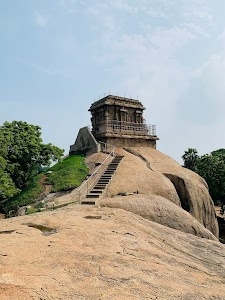
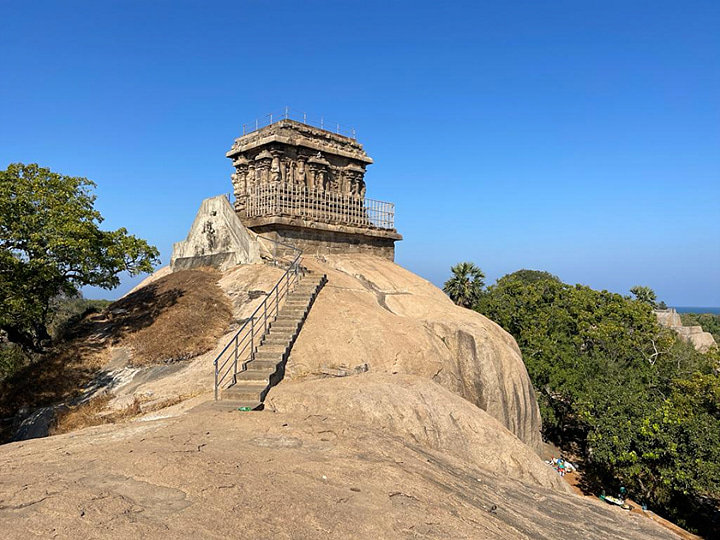
Ancient Temple – This is an ancient Hindu temple dedicated to Lord Shiva, perched atop a rock overlooking the Bay of Bengal. It's an important part of the Group of Monuments at Mahabalipuram
, a UNESCO World Heritage Site.
Why people come here
History and Views – People typically visit to appreciate the temple's historical significance, its unique Pallava architecture, and to enjoy the panoramic views of the Mahabalipuram coastline from its elevated position.
What to expect
Serene Atmosphere – I find the atmosphere here generally peaceful and reflective. You can expect a moderate crowd, often a mix of history enthusiasts, spiritual seekers, and tourists. The climb to the temple offers a rewarding experience with stunning vistas.
Best time to go
Morning or Late Afternoon – The best time to visit is usually during the cooler parts of the day, either in the early morning or late afternoon. This helps avoid the midday heat and allows for better photography, especially during sunrise or sunset.
Practical info
Access and Duration – The temple is accessible by a short climb up a rocky path. There is typically no specific entry fee for the temple itself, but there might be an overall entry fee for the monument complex. I recommend wearing comfortable shoes.
Spiritual or cultural significance
Pallava Heritage – The Olakkannesvara Temple, also known as the "Old Lighthouse," holds significant cultural importance as a prime example of Pallava architecture from the 8th century. It served as a landmark for sailors and embodies the rich artistic and religious traditions of the era.
Visitor etiquette
Respectful Conduct – As with most religious and historical sites in India, I advise visitors to dress modestly. While photography is generally allowed, it's always good practice to be mindful and respectful of others, especially if any rituals are being performed.
Historical background
8th Century Construction – This temple was built by the Pallava dynasty in the 8th century CE, likely during the reign of King Rajasimha. It originally served as a lighthouse, guiding ships along the coast, in addition to its religious function. Its strategic location on a prominent rock outcrop highlights its dual purpose.
Key highlights
Architecture and Views – The main highlights include the distinctive Pallava architectural style, the intricate carvings that have withstood centuries, and the breathtaking panoramic views of the Shore Temple and the Bay of Bengal from its summit.
How much time to spend
30-60 Minutes – I suggest allocating about 30 to 60 minutes to explore the temple, appreciate its architecture, and soak in the surrounding views. This allows for a leisurely visit without feeling rushed.