
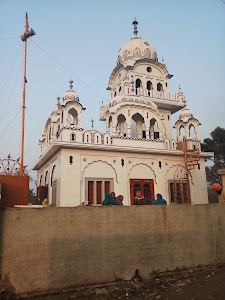



Gurudwara Sahib, Burewala
What is this place?
Sikh Worship – This is a Gurudwara Sahib, a Sikh house of worship. It serves as a central place for the local Sikh community to gather for prayers, spiritual learning, and community service.Spiritual & Cultural Significance
Community Hub – For followers of Sikhism, a Gurudwara is more than just a temple; it's a spiritual and community hub where everyone, regardless of faith or background, is welcome. It embodies the core Sikh principles of equality, selfless service, and devotion to God. I find its open-door policy truly inspiring.Why People Come Here
Prayer & Fellowship – People typically visit to participate in congregational prayers (Satsang), listen to devotional hymns (Kirtan), and hear discourses (Katha) from the holy scripture, the Guru Granth Sahib. It's also a place for communal meals (Langar) and to seek spiritual solace and guidance.What to Expect
Peaceful Atmosphere – You can expect a serene and welcoming atmosphere. The main prayer hall is usually adorned simply, focusing on the presence of the Guru Granth Sahib. There's often a sense of community and humility, with volunteers (Sewa) performing various tasks. It’s a place where I observe deep respect and devotion.Visitor Etiquette
Respectful Conduct – When visiting, it's customary to remove your shoes before entering the main hall and cover your head as a sign of respect. Modest dress is generally appreciated. Photography rules may vary, so it's always good to observe or ask. Maintaining silence and reverence, especially in the prayer hall, is important.Practical Info
Open Daily – Gurudwaras are typically open daily for devotees. While specific timings for this particular Gurudwara may vary, they generally welcome visitors throughout the day. Parking availability might depend on the local area, and it's usually free to enter.Good to Know
Langar Tradition – One of the most significant aspects of a Gurudwara is the Langar, a free communal kitchen and meal served to all visitors, irrespective of religion, caste, gender, economic status, or ethnicity. It symbolizes equality and selfless service. I always find this tradition heartwarming.