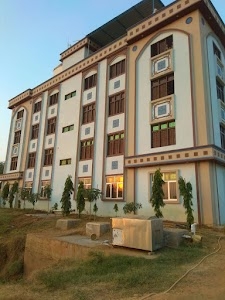
Educational Institution – I see Nakhnol Madarsa as an Islamic educational institution located in Lakhnor, Rajasthan. Madarsas like this one typically serve as centers for religious and traditional learning within the local community.
Spiritual or cultural significance
Community Hub – This Madarsa plays a vital role in preserving and imparting Islamic knowledge and traditions. It serves as a cultural and spiritual anchor for the local Muslim community, fostering religious understanding and education for students.
Why people come here
Learning & Community – People primarily come here for religious education, to study Islamic scriptures, Arabic, and other traditional subjects. It's a place where students gather to deepen their faith and knowledge. For the wider community, it may serve as a place for religious discourse or community gatherings, though public access might be limited to specific events.
What to expect
Quiet Environment – When I look at a Madarsa, I imagine a generally quiet and studious atmosphere. You can expect to see students engaged in learning, and teachers guiding them. It’s a place focused on contemplation and intellectual pursuit, rather than a bustling tourist attraction.
Visitor etiquette
Respectful Conduct – As a place of religious learning, respectful behavior is essential. I recommend dressing modestly, covering shoulders and knees. It's best to maintain silence or speak softly, especially if classes are in session. Always seek permission before taking photographs, particularly of individuals or inside prayer halls.
Practical info
Limited Public Access – Information regarding specific public visiting hours or facilities for non-students might be limited. It's generally advisable to assume that Madarsas are primarily for educational purposes. If you plan to visit, I suggest inquiring locally about appropriate times and any specific guidelines to ensure a respectful and welcome experience.
Good to know
Cultural Insight – Visiting a Madarsa, even briefly, can offer a unique insight into the local religious and educational practices. It represents a significant part of the cultural fabric for many communities. Remember that its primary function is education and spiritual development.