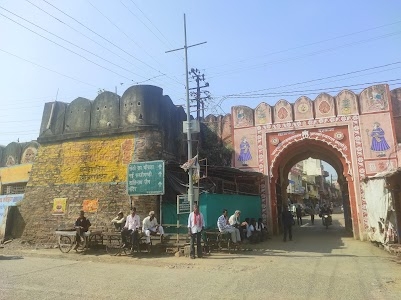
Jhalrapatan Fort, Bajaj Khana, Jhalrapatan, Rajasthan, India
What is this place?
Historical Fortress – This is a historic fort located in Jhalrapatan , a town often referred to as the "City of Bells" in Rajasthan. It stands as a testament to the region's rich past and architectural heritage.
Why people come here
History and Architecture – People generally visit to explore its historical significance and admire the traditional Rajput architecture. It offers a glimpse into the defensive strategies and royal lifestyles of bygone eras. It's a popular spot for those interested in history, culture, and photography.
What to expect
Quiet Exploration – I find that you can expect a relatively quiet and contemplative experience here. The fort, while historical, might not be as grand or extensively preserved as some other major forts in Rajasthan, offering a more intimate exploration. It generally suits visitors who appreciate historical sites away from large crowds.
Historical background
Ancient Origins – The fort's origins are deeply rooted in the history of Jhalrapatan . While specific founding dates can be debated, it is part of a region with a long and storied past, reflecting the architectural styles and defensive needs of its time. It has witnessed various historical events that shaped the local landscape.
Key highlights
Architectural Elements – While exploring, look out for its traditional Rajput architecture, including its walls, gateways, and any remaining structures within. These elements often showcase the craftsmanship and defensive engineering of the period. The fort provides a good vantage point for understanding the layout of the old town.
Best time to go
Cooler Months – The best time to visit is typically during the cooler months, from October to March, when the weather is more pleasant for exploring historical sites outdoors. Early mornings or late afternoons can also offer a more comfortable experience and better light for photography.
Practical info
Easy Access – Access to the fort is generally straightforward. While specific opening and closing times can vary, it's usually accessible during daylight hours. I recommend allocating about 1 to 2 hours for a thorough exploration. Parking might be available nearby, but it's always good to confirm local arrangements.