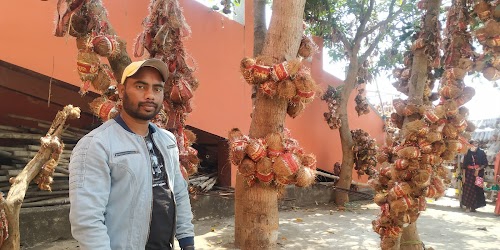
District – I see Purulia as a district located in the westernmost part of West Bengal , India . It's known for its diverse landscape, which includes hills, forests, and plains, making it quite distinct from other parts of the state.
Why people come here
Nature & Culture – People typically visit Purulia for its natural beauty, particularly during the winter months when the weather is pleasant. It's also a place to experience the rich folk culture of West Bengal , especially through traditional dances and festivals.
What to expect
Rural & Scenic – You can expect a predominantly rural setting with scenic vistas, especially around its hills and forests. It's generally a quieter destination, suitable for those looking for a peaceful retreat or an exploration of local traditions. Crowd levels are typically moderate, increasing during peak tourist seasons.
Best time to go
Winter Months – The best time to visit Purulia is generally from October to March. During these months, the weather is cool and comfortable, which is ideal for sightseeing, outdoor activities, and enjoying local festivals.
Good to know
Chhau Dance – Purulia is particularly famous for the Chhau dance, a semi-classical Indian dance with martial, tribal, and folk origins. If you visit during a festival, you might get to witness this vibrant art form.
Hatikheda, West Bengal, India
What is this place?
Village – From what I can gather, Hatikheda appears to be a village located within West Bengal , India . It's likely a small, residential area, typical of many rural settlements in the region.
What to expect
Local Life – In Hatikheda, you can generally expect to see local village life. This might include agricultural activities, traditional homes, and a close-knit community. It's likely a quiet and peaceful environment, offering a glimpse into the everyday rhythm of rural West Bengal .
Practical info
Basic Amenities – As a village, amenities might be basic. It's advisable to carry any specific necessities you might need. Transportation within and to the village would likely involve local modes of transport.