
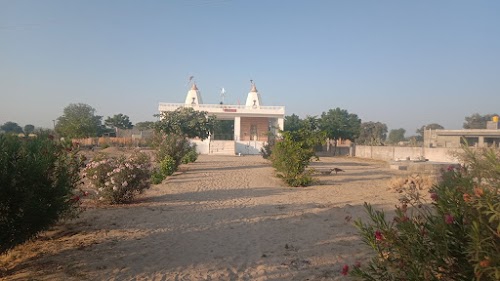



Kuldevi Nagnechya Mahadev Temple
What is this place? – I see this is a sacred Hindu temple dedicated to Lord Shiva, revered as Mahadev, and also associated with Kuldevi Nagnechya Mata, a revered deity among many Rajput clans. It serves as a significant place of worship and spiritual gathering.
Why people come here
Devotion – People primarily come here for worship and spiritual solace, seeking blessings from Lord Shiva and Kuldevi Nagnechya Mata. It's a place for offering prayers, performing rituals, and observing religious ceremonies.What to expect
Peaceful atmosphere – You can expect a calm and devotional atmosphere. The temple typically attracts devotees seeking spiritual connection. The overall experience is one of reverence and tranquility, suitable for those looking for a quiet place for prayer and reflection.Spiritual or cultural significance
Ancestral deity – This temple holds deep spiritual and cultural significance, particularly for Rajput families in the region who consider Kuldevi Nagnechya Mata as their ancestral deity. It is a focal point for religious traditions and community gatherings, embodying centuries of faith and heritage. The presence of Lord Shiva as Mahadev further enhances its sanctity, drawing devotees from various backgrounds.Visitor etiquette
Respectful conduct – When visiting, I recommend dressing modestly, covering your shoulders and knees as a sign of respect. Photography rules may vary, so it's always best to observe signs or inquire. Maintaining silence or speaking softly is appreciated to preserve the peaceful ambiance. Removing your footwear before entering the main shrine is customary.Best time to go
Morning or evening – The best time to visit is generally during the early morning or late evening hours, when the weather is cooler and the temple is often less crowded, allowing for a more serene experience. Religious festivals and auspicious days might draw larger crowds.Good to know
Local customs – I find that understanding local customs can enhance your visit. You might see devotees offering flowers, coconuts, and other items as part of their prayers. While not mandatory, participating in or observing these rituals can provide a deeper insight into the local spiritual practices.