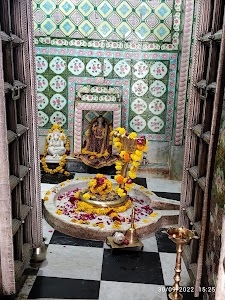
Shree Bhuvneshvar Mahadev Mandir, Dodua, Rajasthan, India
What is this place?
Hindu Temple – I know this is a sacred Hindu temple, primarily dedicated to Lord Shiva, revered as Mahadev. It serves as a significant place of worship and spiritual gathering for devotees in the region of Dodua, Rajasthan.
Why people come here
Worship & Blessings – People primarily visit Shree Bhuvneshvar Mahadev Mandir for worship, to offer prayers, and to seek the blessings of Lord Shiva. It's a place for spiritual solace, performing religious rituals, and observing various Hindu festivals throughout the year.
What to expect
Devotional Atmosphere – When you visit, I expect you'll find a peaceful and devotional atmosphere. You’ll likely see devotees engaged in prayer, performing *abhishekam* (ritual bathing) of the Shiva Lingam, and participating in *aarti* (lamp ceremony). The temple's architecture typically reflects traditional Rajasthani temple styles, offering a glimpse into local craftsmanship and religious art.
Spiritual and Cultural Significance
Lord Shiva's Abode – This temple holds deep spiritual significance as an abode of Lord Shiva, one of the principal deities of Hinduism. For the local community, it's not just a place of worship but also a cultural landmark, fostering community bonds and preserving traditional customs and beliefs. It often becomes a focal point during major Hindu festivals like Maha Shivaratri.
Visitor etiquette
Respectful Conduct – As with any religious site, I recommend observing respectful conduct. This generally includes dressing modestly, covering shoulders and knees, and removing footwear before entering the main shrine. Maintaining silence or speaking softly is appreciated, especially within the sanctum. Photography rules can vary, so it's always best to observe signs or ask if unsure.
Best time to go
Morning & Evening – For a serene experience, I suggest visiting in the early mornings during prayer times or in the evenings to witness the *aarti* ceremony. The cooler months from October to March are generally more comfortable for visiting Rajasthan.
Practical information
General Timings – Temple timings generally align with traditional prayer schedules, often opening in the early morning and closing after evening *aarti*, with a possible midday break. Accessibility might involve some walking, and parking facilities are typically available nearby for two-wheelers and cars, though these can be informal.