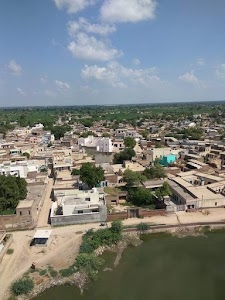
Rural Village – Bucho Khurd is a tranquil village nestled in the Bathinda district of Punjab , India. I see it as a representative example of the region's rich agricultural landscape and traditional rural lifestyle. It's a place where you can witness the authentic rhythm of Punjabi village life.
Why Visit Bucho Khurd
Local Experience – People typically visit Bucho Khurd to experience the authentic rural culture of Punjab . It's a destination for those seeking to connect with their roots, visit family, or simply observe the agricultural practices and community life that define much of the state. It offers a glimpse into a simpler, traditional way of living.
Experience & Atmosphere
Peaceful Setting – When you visit Bucho Khurd, I expect you'll find a peaceful and unhurried atmosphere. The landscape is predominantly agricultural, with fields stretching across the horizon. You can anticipate encountering warm hospitality from the local residents and a strong sense of community. It’s generally quiet, offering a contrast to urban environments.
When to Visit
Cooler Months – The best time to visit Bucho Khurd is generally during the cooler months, from October to March. During this period, the weather is pleasant, making it comfortable for exploring the village and its surroundings. Summers can be very hot, and the monsoon season brings humidity, which might be less ideal for some visitors.
Visitor Guidance
Respectful Conduct – As a rural village, I advise visitors to respect local customs and traditions. Dress modestly, especially when visiting religious sites or participating in community gatherings. While specific timings for attractions aren't applicable here, the village operates on a natural rhythm, with most activities occurring during daylight hours.
Helpful Insights
Agricultural Hub – Bucho Khurd, like many villages in Punjab , is primarily an agricultural hub. You might see farmers tending to their crops, which often include wheat, rice, and various vegetables. This provides a unique opportunity to understand the agricultural backbone of the region. Local transport within the village is typically limited to personal vehicles or shared auto-rickshaws.