Pilgrimage Site – I consider Bodh Gaya a profoundly significant Buddhist pilgrimage site located in the Indian state of Bihar. It is revered worldwide as the place where Siddhartha Gautama attained enlightenment under the Bodhi Tree and became the Buddha.
Why people come here
Spiritual Journey – Many people visit Bodh Gaya primarily for a spiritual journey, seeking peace, meditation, and a deeper understanding of Buddhist teachings. It attracts pilgrims, monks, and tourists from across the globe, all drawn to its sacred atmosphere and historical importance.
Spiritual or cultural significance
Enlightenment Site – This is the most sacred site in Buddhism. The Mahabodhi Temple complex, a UNESCO World Heritage Site, marks the spot of Buddha's enlightenment. The direct descendant of the original Bodhi Tree stands here, a living symbol of spiritual awakening. The site holds immense historical roots, connecting directly to the origins of Buddhism.
What to expect
Peaceful Atmosphere – You can expect a deeply peaceful and meditative atmosphere, often filled with the chants of monks and the quiet reverence of pilgrims. While it can be busy, especially around the Mahabodhi Temple, the overall experience is one of spiritual tranquility. It suits those seeking introspection, religious study, or a unique cultural experience.
Visitor etiquette
Respectful Conduct – When visiting, I advise you to dress modestly, covering your shoulders and knees, as a sign of respect for the sacred nature of the site. It is customary to remove your shoes before entering temples and some areas within the complex. Maintaining silence and refraining from loud conversations is appreciated, especially in meditation areas. Photography rules vary; always check for signs.
Best time to go
Cooler Months – I find the period from October to March generally offers the most pleasant weather for visiting Bodh Gaya. The temperatures are cooler and more comfortable for exploring the sites compared to the hot and humid summer months.
Practical info
Temple Timings – The Mahabodhi Temple complex typically opens early in the morning and closes in the evening, though specific timings can vary. Entry is often free, but donations are welcome. I recommend allocating at least half a day to a full day to explore the main temple complex and surrounding monasteries. Accessibility within the main temple complex is generally good, though some areas may involve stairs.
Good to know
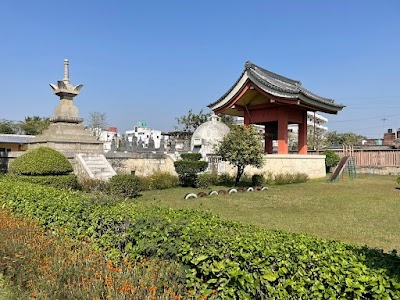
International Monasteries – Beyond the main temple, Bodh Gaya hosts a variety of international Buddhist monasteries, each reflecting the architectural styles and traditions of countries like Thailand, Japan, Bhutan, and Tibet. Exploring these offers a glimpse into the diverse expressions of Buddhism. Local transport, like auto-rickshaws, is readily available.