
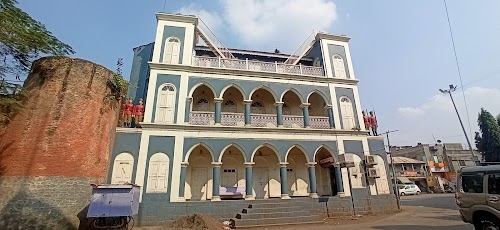



Phaltan, Maharashtra, India
What is this place?
Historical Town – Phaltan is a historic municipal town located in the Satara district of Maharashtra, India. I recognize it for its deep roots in Maratha history and its vibrant agricultural landscape, particularly known for sugarcane and pomegranate cultivation.Why people come here
History & Culture – People typically visit Phaltan to explore its historical connections, especially its association with the Nimbalkar dynasty and the Maratha Empire. It offers a glimpse into regional Maharashtrian culture and rural life. Agricultural Hub – Many also come to experience the agricultural heartland, witnessing vast fields and understanding the local economy driven by farming. It's a place where tradition meets modern agricultural practices.What to expect
Quiet Atmosphere – I find Phaltan to be a relatively quiet and laid-back town, offering a peaceful escape from bustling city life. The atmosphere is generally calm, with the rhythm of daily life centered around agriculture and local commerce. Local Experience – You can expect a genuine local experience here, with fewer crowds compared to major tourist destinations. It's a place where you can interact with friendly locals and observe traditional Maharashtrian customs.Best time to go
Cooler Months – The most pleasant time to visit Phaltan is typically during the cooler, dry months from October to March. During this period, the weather is comfortable for exploring the town and its surroundings. Monsoon Beauty – The monsoon season, from June to September, also brings lush greenery to the agricultural fields, which can be quite scenic, though travel might be affected by rain.Practical info
Accessibility – Phaltan is primarily accessible by road, with good connectivity to nearby cities like Satara and Pune . The nearest railway station is Lonand , located about 30 km away. Local Transport – Within the town, local auto-rickshaws and shared transport are generally available for getting around. Parking is typically manageable in most areas.Good to know
Nimbalkar Legacy – Phaltan is historically significant as the seat of the Nimbalkar dynasty, who were prominent Maratha nobles. The town's palace, known as Rajwada, is a key historical landmark, though its accessibility for visitors may vary. Agricultural Produce – I've learned that the region is particularly famous for its high-quality pomegranates and sugarcane. You might find local markets selling fresh produce and related goods.