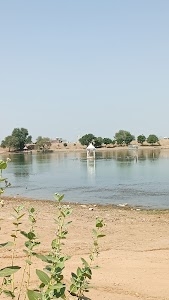
Desert Town – Bap is a town located in the Jodhpur district of Rajasthan, India. It lies within the vast Thar Desert region, characterized by its arid landscape and unique ecosystem. This area is particularly known for its significant salt production, with numerous salt pans dotting the surrounding terrain.
Why people come here
Local Experience – Travelers often visit Bap to experience a quieter, more authentic side of rural Rajasthan. It offers a glimpse into the traditional lifestyles of desert communities and the unique industry of salt farming. I observe that it's a destination for those interested in local culture, arid landscapes, and observing daily life away from major tourist hubs.
What to expect
Arid Landscape – Here, I expect you'll find a relatively small, laid-back town surrounded by expansive desert scenery. The atmosphere is generally calm, reflecting the pace of rural life. You might see traditional Rajasthani architecture and interact with locals involved in farming or salt production. The landscape is predominantly dry, with sparse vegetation typical of the desert.
Best time to go
Cooler Months – The most comfortable time to visit Bap is typically during the cooler, dry months from October to March. During this period, the desert temperatures are more moderate, making exploration and outdoor activities more pleasant. Summers, from April to June, can be extremely hot, and the monsoon season, though brief, can bring humidity.
Practical info
Road Access – Bap is primarily accessible by road, connecting it to larger cities in Rajasthan. While specific timings for local businesses may vary, the town generally operates during daylight hours. It's advisable to carry sufficient water and sun protection, especially if planning to explore the surrounding desert areas.
Good to know
Salt Production – Bap is renowned for its salt pans, where salt is extracted from saline groundwater using traditional methods. Observing this process can be a unique cultural and industrial insight. The area also provides opportunities to witness desert flora and fauna adapted to arid conditions.