
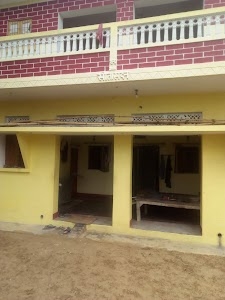



Kasiya (Kushinagar), Uttar Pradesh, India
What is this place?
Ancient Town – Kasiya, often known by its historical name Kushinagar, is a significant town located in the Indian state of Uttar Pradesh. I recognize it as one of the most sacred pilgrimage sites for Buddhists globally.Why people come here
Spiritual Journey – People primarily visit Kasiya to follow in the footsteps of Lord Buddha, as it is the place where he attained Mahaparinirvana, or final nirvana, after his earthly life. It draws pilgrims, scholars, and peace-seekers from around the world. Historical Exploration – Beyond its religious importance, visitors also come to explore its rich archaeological heritage and learn about ancient Indian history and the spread of Buddhism.Spiritual and Historical Significance
Buddha's Mahaparinirvana – Kasiya holds profound spiritual significance as the site where Gautama Buddha passed away and achieved Mahaparinirvana around 483 BCE. This event marks a pivotal moment in Buddhist history and makes it one of the four principal pilgrimage sites. Ancient Malla Kingdom – Historically, Kushinagar was the capital of the ancient Malla kingdom, one of the sixteen Mahajanapadas (great kingdoms) of ancient India. Archaeological excavations have unearthed numerous stupas and viharas (monasteries) that attest to its glorious past.Key Highlights
Sacred Sites – Here, I recommend you visit the Mahaparinirvana Temple , which houses a reclining statue of Buddha depicting his passing. Another important site is the Ramabhar Stupa , believed to be the cremation site of Buddha. Matha Kuar Shrine – Don't miss the Matha Kuar Shrine , which features a large statue of Buddha in a 'Bhumi Sparsha Mudra' (earth-touching gesture). Many monasteries from various Buddhist countries are also present.What to expect
Peaceful Atmosphere – You can generally expect a serene and spiritual atmosphere, especially within the temple complexes. The town itself is relatively quiet, with a focus on pilgrimage. Diverse Crowds – The area attracts a diverse crowd of international Buddhist pilgrims, local devotees, and history enthusiasts. During major festivals, it can become quite busy.Visitor Etiquette
Respectful Conduct – When visiting temples and stupas, I advise you to dress modestly, covering your shoulders and knees. It is customary to remove your shoes before entering shrines. Silence and Photography – Maintaining silence or speaking softly is appreciated in sacred areas. Photography rules may vary; it's best to check for signs or ask before taking pictures inside certain shrines.Practical Info
Best Time – The cooler, dry months from October to March are generally the most comfortable for visiting. Summers can be hot and humid, while the monsoon season (July-September) brings heavy rainfall. Duration and Entry – A typical visit to the main sites might take half a day to a full day. Some sites may have nominal entry fees, and facilities like parking and washrooms are generally available near major attractions.