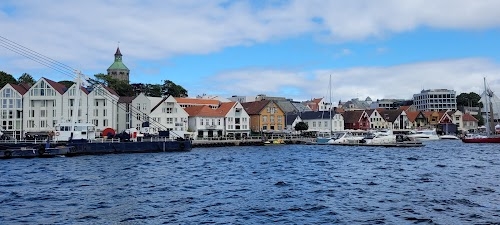
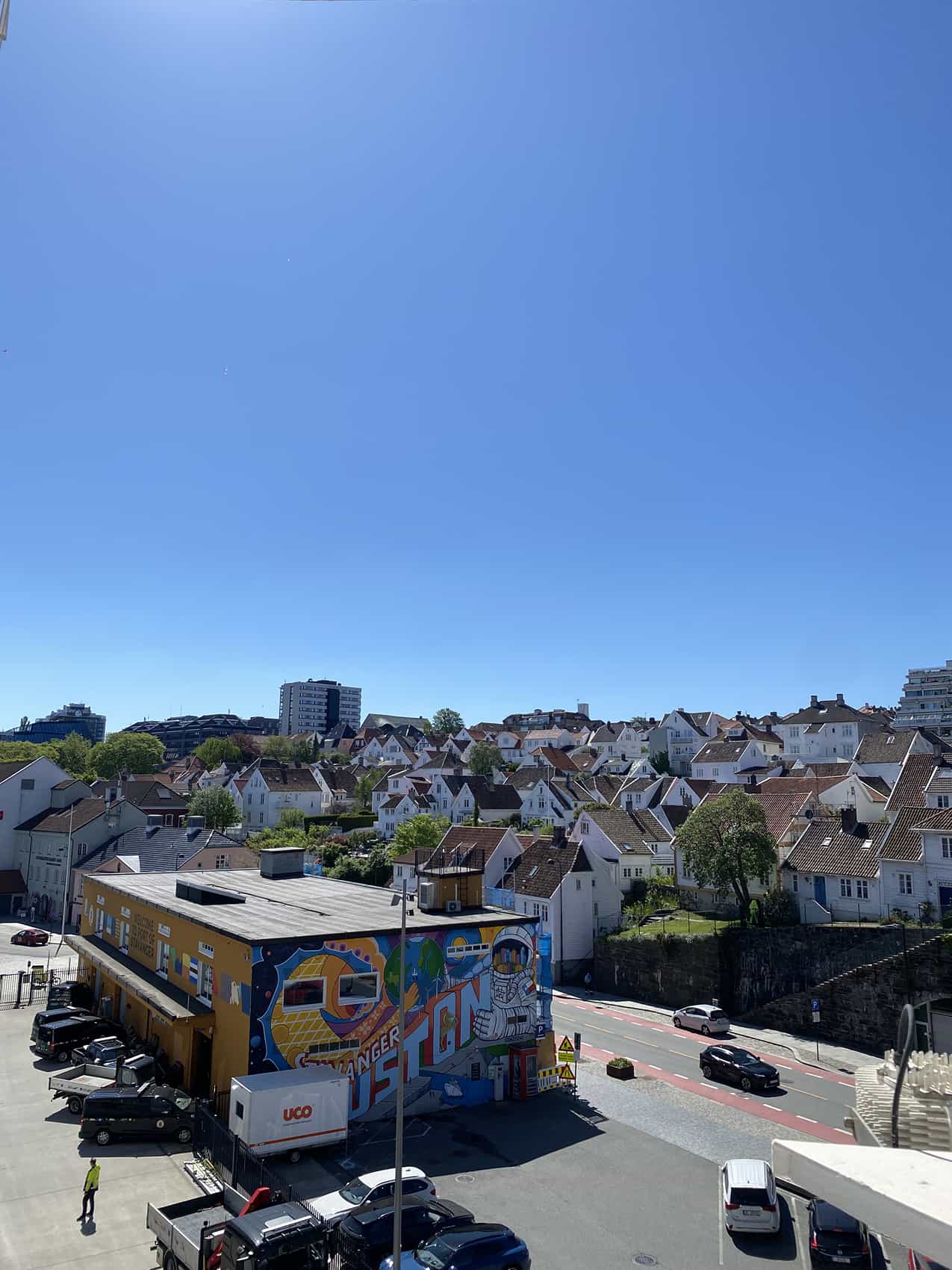
Coastal City – Stavanger is a vibrant coastal city located in southwestern Norway. I know it as a significant hub for the Norwegian oil industry, often referred to as the "Oil Capital" of Norway. It's also a primary gateway to some of the country's most iconic natural landscapes, particularly the breathtaking fjords.
Why people come here
Nature & Culture – Many explorers journey here for the stunning natural wonders, such as the famous Preikestolen (Pulpit Rock) and the majestic Lysefjord . Beyond the dramatic cliffs, visitors are drawn to Stavanger's charming historic district, museums, and a lively urban atmosphere.
What to expect
Charming & Modern – Here, you can expect a unique blend of old-world charm and modern sophistication. The city's atmosphere is generally relaxed but can be quite lively, especially during peak tourist seasons. It’s a place that appeals to outdoor adventurers, history buffs, and those who appreciate a vibrant city by the sea.
Best time to go
Summer & Shoulder Seasons – For exploring the fjords and enjoying outdoor activities, the summer months (June to August) generally offer the most favorable weather. The shoulder seasons (May and September) often provide pleasant conditions with fewer crowds. Winter offers a quieter, often snowy, experience.
Practical info
Walkable & Accessible – Stavanger’s city center is quite compact and easily explored on foot. Public transportation, including buses, is available for longer distances. As with much of Norway, the city is generally safe and well-organized, making for a smooth travel experience.
Good to know
Wooden Houses & History – I find it fascinating that Stavanger boasts one of Europe's best-preserved collections of 18th and 19th-century wooden houses, particularly in Gamle Stavanger (Old Stavanger). The city also has a rich history tied to the canning industry, which you can learn about at the Norwegian Canning Museum . Additionally, the impressive Stavanger Cathedral is one of Norway's oldest cathedrals, dating back to the 12th century.