
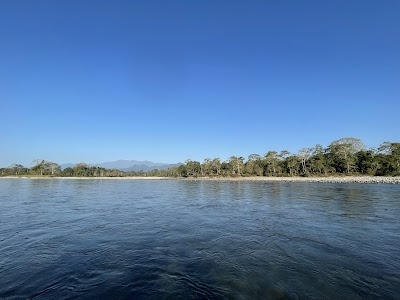



Pakke Tiger Reserve, Seijosa
What is this place? – I see this is a protected area in Arunachal Pradesh, India. It's known for its efforts in wildlife conservation, particularly for tigers and other endangered species. It's also recognized for its community-based conservation initiatives.
Why people come here – People typically visit to experience wildlife in its natural habitat, engage in birdwatching, and enjoy the serene beauty of the Eastern Himalayas. It's a destination for nature enthusiasts and those interested in conservation.
What to expect – Expect a diverse ecosystem with dense forests, riverine areas, and hilly terrain. The atmosphere is generally peaceful and wild, offering a chance to disconnect and immerse in nature. It suits those who appreciate wildlife, adventure, and a quiet retreat.
What to do here – I suggest you try wildlife safaris (jeep safaris or elephant safaris, depending on availability), birdwatching, and nature walks. You might also find opportunities for trekking and exploring the local flora and fauna.
Best time to go – The winter months, from November to March, are generally considered the best time to visit. The weather is pleasant, and wildlife sightings are often more frequent. The monsoon season (May to September) can make access difficult.
Practical info – Entry usually requires a permit, which can often be arranged on arrival or in advance. It's advisable to check the latest regulations before your visit. Accommodation options might be limited to forest rest houses or eco-lodges.
Good to know – This reserve is notable for its Hornbill Nest Adoption Program, a unique conservation effort involving local communities. It's also home to the critically endangered White-winged Wood Duck. Remember to carry essentials like insect repellent, appropriate clothing, and binoculars for wildlife viewing.
