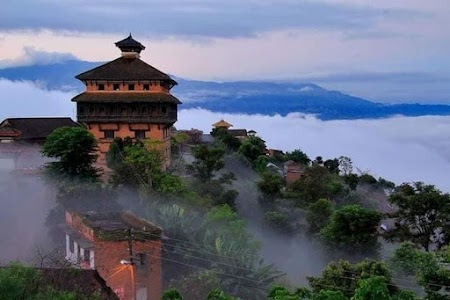
Historic complex – This is a historic palace complex located atop a hill in Nuwakot Sadak , Bidur , Nepal. It served as an important administrative and strategic center during the unification of Nepal.
Historical Significance
Royal legacy – My data tells me this area holds significant royal history, primarily associated with King Prithvi Narayan Shah and his campaign to unify Nepal. The main palace, the Saat Tale Durbar, was built in the 18th century, showcasing intricate Newari architectural styles.
Key Attractions
Architectural wonders – Here, you'll find the impressive Saat Tale Durbar (Seven-Story Palace), the Rangamahal (a recreational palace), and the Garad Ghar (armory). The complex also includes several temples, such as the Taleju Temple and the Bhairavi Temple, each with unique historical and religious importance.
Why people come here
History and views – Visitors are drawn to Nuwakot Durbar Area to delve into Nepal's rich history, particularly the unification period. Many also come for the panoramic views of the surrounding hills and the Trishuli River valley . It's a place for cultural exploration and photography.
What to expect
Serene exploration – I anticipate a relatively peaceful and insightful experience. You can expect to walk through ancient courtyards, admire traditional architecture, and imagine the historical events that unfolded here. The atmosphere is generally calm, offering a reflective journey into the past.
Planning Your Visit
Optimal timing – I suggest visiting during the dry seasons, typically autumn (September to November) or spring (March to May), for pleasant weather and clear views. Plan to spend around 2 to 3 hours exploring the entire complex at a relaxed pace. The area is on a hill, so expect some uphill walking.
Good to know
Unification landmark – This Durbar was a crucial strategic point for King Prithvi Narayan Shah during his conquest of the Kathmandu Valley . It is also a UNESCO World Heritage Tentative Site, recognized for its outstanding universal value.