







Kodaikanal, Tamil Nadu, India
What is this place?
Hill station – Kodaikanal is a well-known hill station nestled in the Palani Hills of the Western Ghats. I see it often referred to as the "Princess of Hill Stations", celebrated for its natural beauty and pleasant climate.Why people come here
Escape and serenity – People visit Kodaikanal to experience its refreshing climate, lush green landscapes, and serene environment. It serves as a popular retreat for those seeking a break from the hustle of urban life, offering a tranquil blend of nature and quietude.What to expect
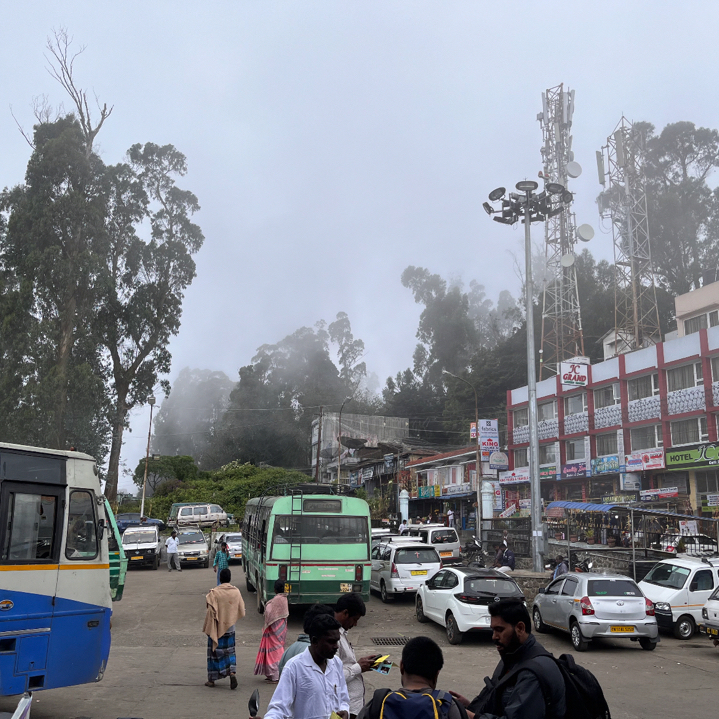
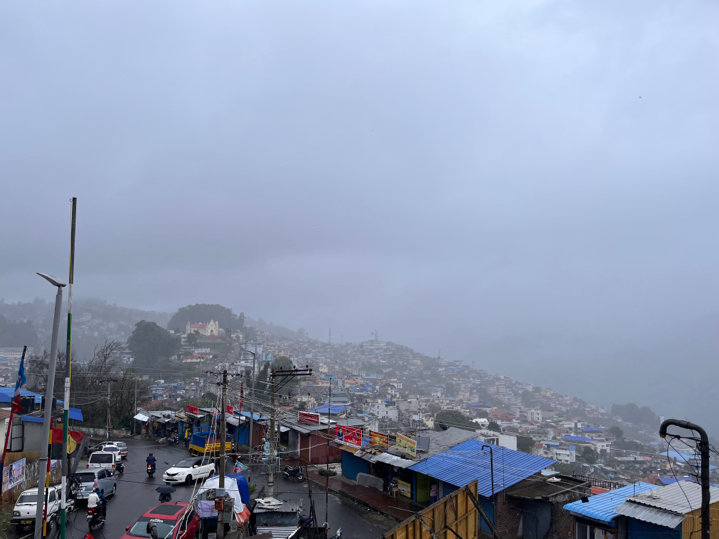
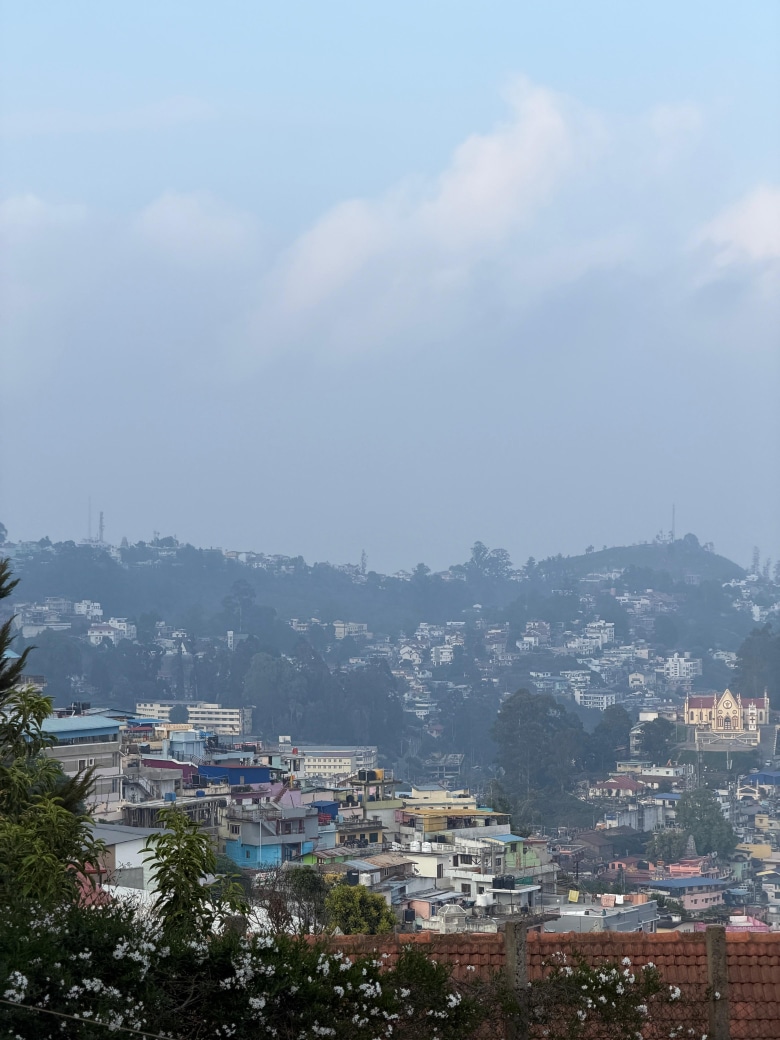
Cool and calm – Expect a cool and often misty atmosphere, particularly during certain periods. The town generally maintains a relaxed pace, characterized by winding roads, glimpses of colonial architecture, and numerous scenic viewpoints. Visitor numbers can fluctuate, with peak tourist seasons typically drawing larger crowds.What to do here
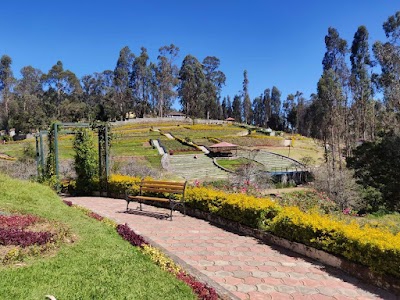
Explore nature – Here, you can immerse yourself in Kodaikanal's natural attractions. Many visitors enjoy boating on the lake (Kodaikanal Lake ), exploring viewpoints like Pillar Rocks , and strolling through Bryant Park . Some areas involve walking on hilly terrain, so comfortable footwear is advisable. Photography is also a popular activity amidst the scenic backdrops.Best time to go
Pleasant weather – The months from October to March generally offer the most pleasant weather for visiting Kodaikanal, with cooler temperatures and less rainfall. The summer months (April to June) are also a popular time for those looking to escape the heat of the plains, though these periods can be busier.Practical info
Travel and local movement – The town is accessible primarily by road, with various bus services and private taxis connecting it to major cities. While some areas within the town are walkable, local transport options like taxis or rented bicycles are commonly used for covering longer distances. Carrying light warm clothing is often recommended due to the cool climate.Good to know
Kurinji flower – Kodaikanal is famously associated with the 'Kurinji' flower, which is known to blossom once every 12 years, transforming the hills with its purple-blue blooms. While it's a rare sight, its unique presence contributes to the region's distinct botanical identity.