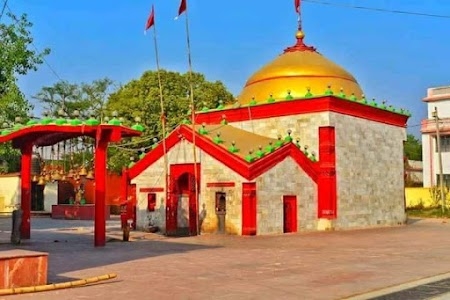
Ancient Shaktipeeth – This is an ancient Hindu temple dedicated to Maa Ugratara, a fierce manifestation of the goddess Sati. It's considered one of the 51 Shaktipeeths, making it a highly revered pilgrimage site. The temple holds deep spiritual significance for devotees.
Why people come here
Spiritual Devotion – People primarily visit this temple to offer prayers, seek blessings from Maa Ugratara, and participate in religious rituals. Many believe that wishes made here are fulfilled. It's a place for spiritual solace and connecting with the divine.
Spiritual or cultural significance
Shaktipeeth Legend – The temple is believed to be where the left eye of Devi Sati fell after Lord Shiva carried her burning body. This makes it a powerful center for Shakti worship. It's also known for its association with the Tantric tradition. The goddess is worshipped in her fierce form, representing protection and power.
What to expect
Devotional Atmosphere – I find that you can expect a very devotional and traditional atmosphere. There are often priests performing rituals, and devotees chanting prayers. The temple complex is generally bustling, especially during auspicious days and festivals. It's a place for quiet contemplation amidst active worship.
Best time to go
Festivals and Winters – The best time to visit is generally during the winter months (October to March) when the weather is pleasant. It becomes particularly vibrant during major Hindu festivals like Navratri and Durga Puja, though it can also be very crowded during these times.
Visitor etiquette
Respectful Conduct – When visiting, I recommend dressing modestly, covering your shoulders and knees, as is customary in Hindu temples. Photography rules may vary, so it's always good to observe signs or ask. Maintaining a respectful demeanor and silence in the main sanctum is appreciated. Removing your footwear before entering the temple premises is also expected.
Good to know
Historical Roots – The temple has a rich history, with its origins believed to date back centuries. While the current structure might have seen renovations, the spiritual essence and location remain tied to ancient legends. The nearby Kosi River also plays a significant role in the local culture and religious practices.