
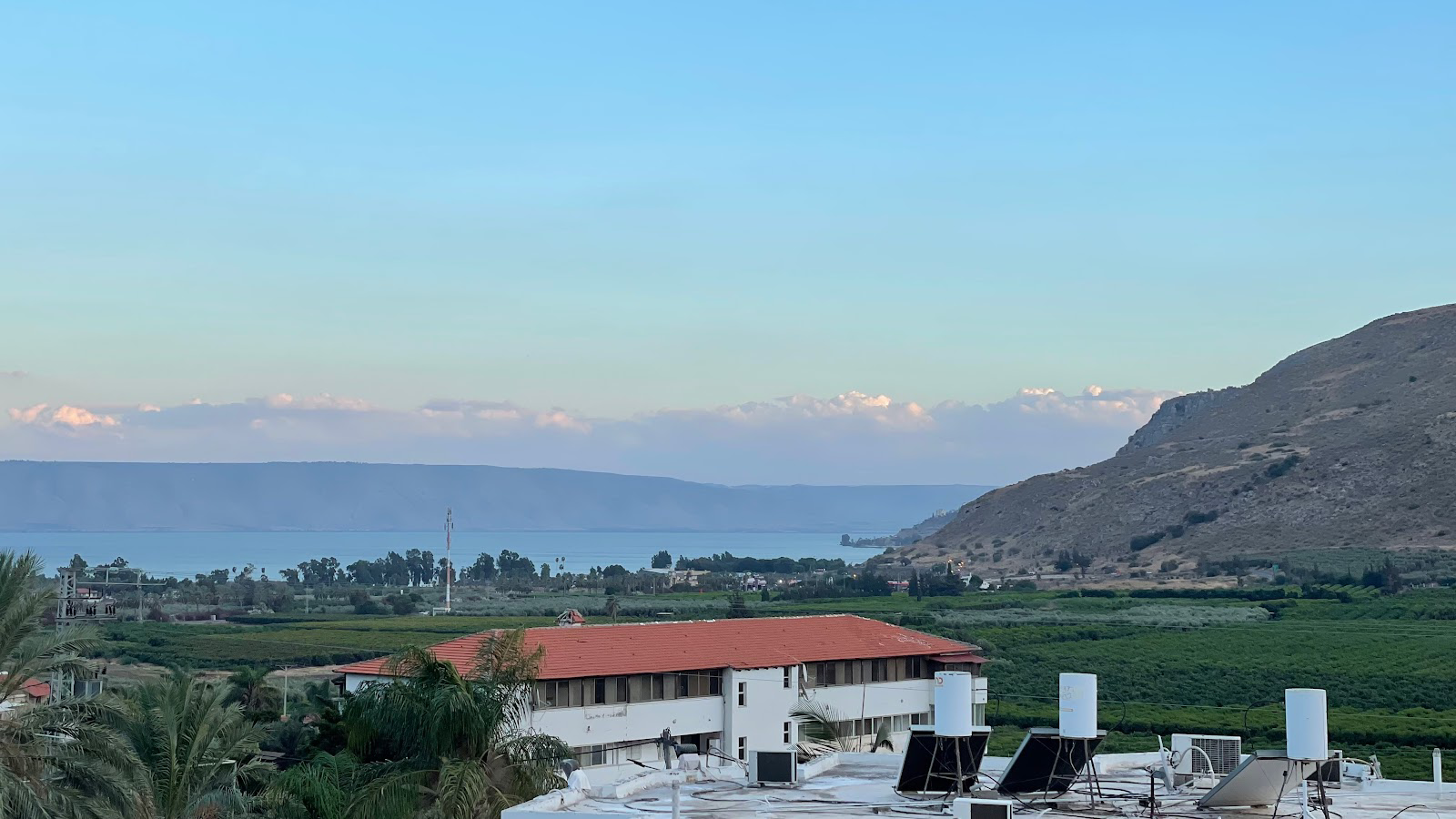



Magdala, Israel
What is this place?
Ancient Town – Magdala is an ancient town located on the western shore of the Sea of Galilee in Israel. It is historically significant as the birthplace of Mary Magdalene. Today, it combines archaeological ruins with a modern spiritual center.Why people come here
Historical & Spiritual Significance – People primarily visit Magdala for its historical and religious importance, particularly its connection to early Christianity and Mary Magdalene. It's a place for pilgrimage, reflection, and exploring significant archaeological discoveries.What to expect
Archaeological Site & Spiritual Center – Here, you can expect to explore well-preserved ruins of a 1st-century synagogue, a marketplace, and residential areas. There's also a modern spiritual center, including a church called "Duc in Altum," designed for contemplation and prayer, offering beautiful views of the Sea of Galilee. The atmosphere is generally peaceful and reflective.Best time to go
Morning or Late Afternoon – I recommend visiting in the cooler morning or late afternoon hours, especially during the spring (March to May) and autumn (September to November) months, to avoid the intense summer heat and larger crowds.Practical info
Visitor Facilities – Magdala offers good facilities for visitors, including parking, restrooms, and a visitor center. The site is generally accessible, though some archaeological areas may involve uneven terrain. Allow a couple of hours for a thorough visit.Good to know
Magdala Stone Discovery – A significant discovery at Magdala is the Magdala Stone, an intricately carved stone that depicts the Second Temple in Jerusalem. While the original is in a museum, a replica is often on display at the site, offering insight into ancient Jewish worship.Spiritual or cultural significance
Birthplace of Mary Magdalene – Magdala holds immense spiritual significance as the believed hometown of Mary Magdalene, a prominent figure in the New Testament. The 1st-century synagogue discovered here is one of the oldest found in Galilee, offering direct evidence of Jewish life during the time of Jesus. It's a key site for understanding early Christian and Jewish history.Visitor etiquette
Respectful Conduct – When visiting, it's important to dress modestly, especially when entering the spiritual center. Photography is generally permitted in most areas, but always be mindful of others, particularly those engaged in prayer or reflection. Maintaining a quiet and respectful demeanor is appreciated throughout the site.Facilities for visitors
Modern Amenities – The site is well-equipped for visitors, offering clean washrooms, a gift shop, and a café. There are shaded areas for rest, and the modern "Duc in Altum" center provides comfortable spaces for prayer and contemplation. Accessibility ramps and pathways are available in many areas.