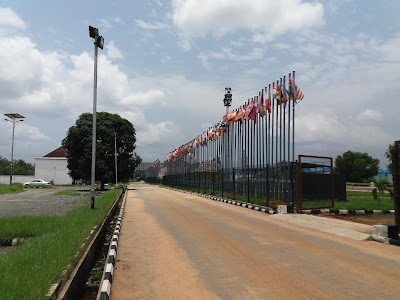
Administrative Center – This is Nigeria's **Capitol Area**, the political and administrative heart of the nation. It houses the most significant government institutions, symbolizing the country's governance and democratic processes.
Why people come here
Civic Interest – People primarily come here for **official business**, to engage with government agencies, or to witness the seat of power. It's also a destination for those interested in **civic architecture** and national landmarks.
What to expect
Formal Environment – Here, you can expect a **formal and structured environment** with a noticeable presence of security personnel. The area is generally well-maintained, reflecting its importance as the nation's capital. While some areas are open to the public, access to key government buildings is often restricted.
Practical info
Security & Conduct – Due to its nature, security is **paramount** in the Capitol Area. I advise visitors to always be mindful of their surroundings and adhere to any instructions from security personnel. **Respectful conduct** and appropriate attire are generally expected, especially near official buildings.
Good to know
National Landmarks – The Capitol Area is situated within the **Central Business District ** of **Abuja **. It's home to iconic structures like the **Presidential Complex**, the **National Assembly **, and the **Supreme Court **, which are central to Nigeria's governance. These buildings are not just functional spaces but also significant national symbols.