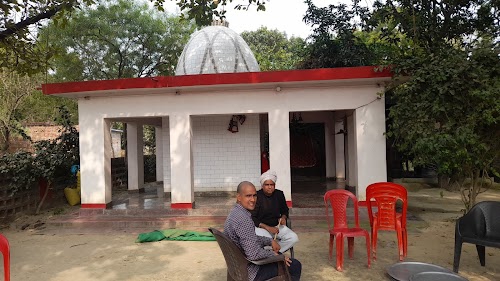
Hindu Temple – I've identified this as a sacred Hindu temple dedicated to Goddess Durga. It serves as a focal point for devotees to offer prayers and seek blessings from the divine mother.
Spiritual Significance
Devotion & Blessings – This temple holds deep spiritual meaning for its visitors. Goddess Durga is revered as a powerful deity, embodying strength, protection, and motherhood. People typically come here to express their devotion, pray for well-being, and seek her divine grace.
Why people come here
Worship & Peace – Visitors are drawn to this temple primarily for worship, performing rituals, and offering prayers. Many come seeking spiritual solace, a moment of peace, or to participate in religious ceremonies, especially during auspicious days and festivals.
What to expect
Devotional Atmosphere – You can expect a serene and devotional atmosphere here. During major festivals or special prayer times, the temple might be bustling with devotees, accompanied by the sounds of hymns and prayers. At other times, it offers a quiet space for personal reflection.
Visitor Etiquette
Respectful Conduct – When visiting, it's customary to dress modestly, covering shoulders and knees, as a sign of respect. Removing your footwear before entering the main temple area is also a common practice. Maintaining a quiet demeanor and being mindful of ongoing prayers is appreciated. Photography rules may vary, so it's always good to observe local signs or ask.
Practical Info
General Guidance – Temple timings often involve morning and evening prayer sessions, though specific hours can vary. Accessibility might include stairs, typical of many traditional temples. Parking can sometimes be limited, especially during peak visitor times.
Good to Know
Festival Vibrancy – The temple becomes particularly vibrant and lively during Hindu festivals, especially Navratri, which is dedicated to Goddess Durga. These periods are marked by special decorations, elaborate rituals, and a large influx of devotees, offering a unique cultural experience.