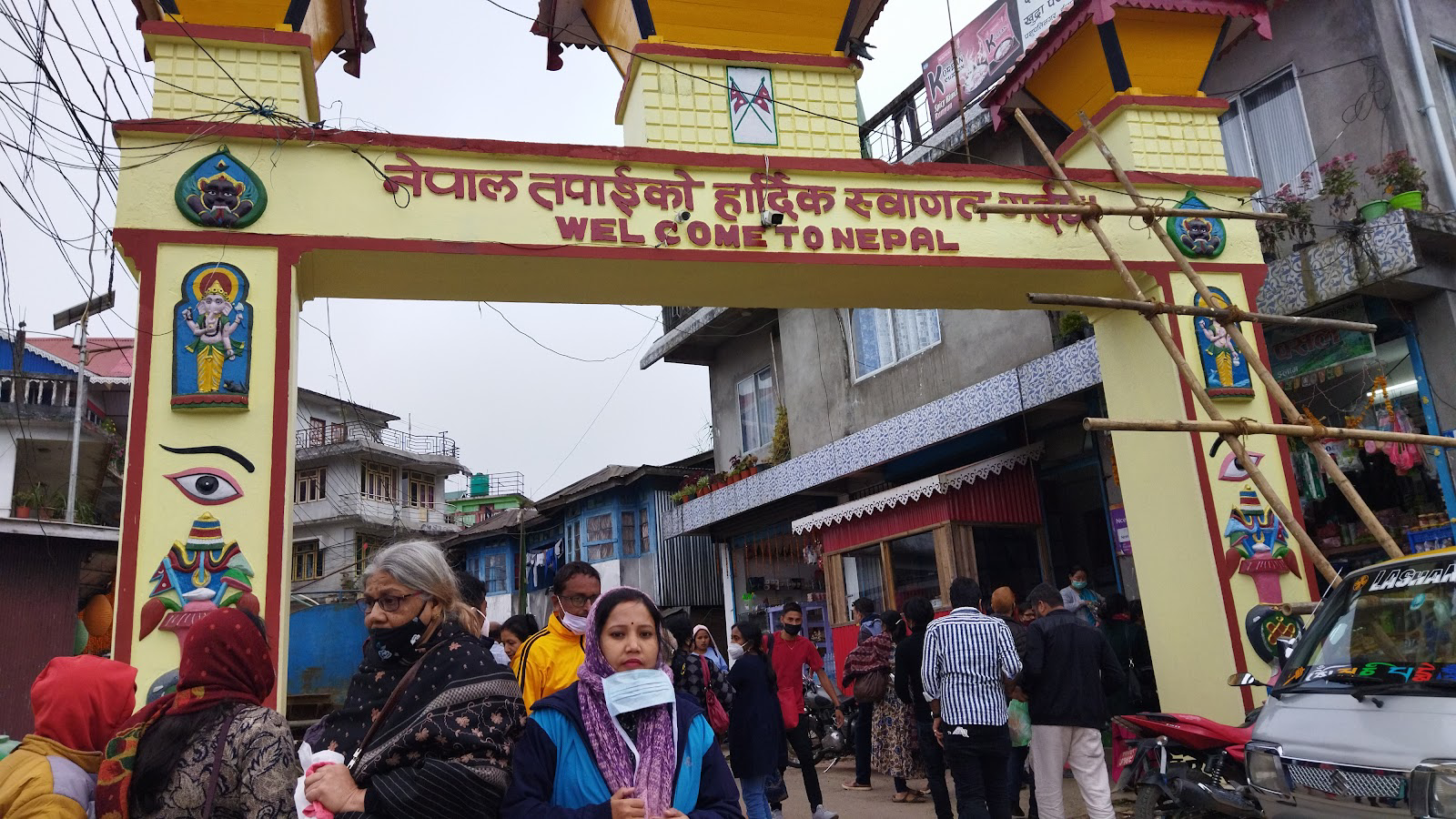
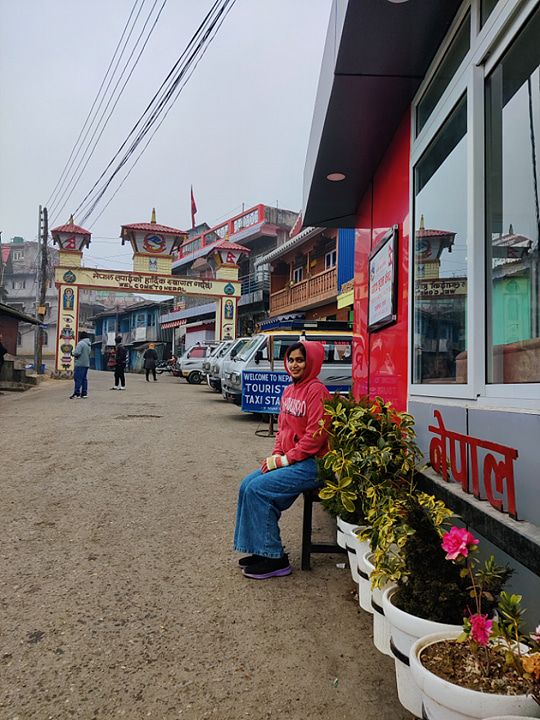
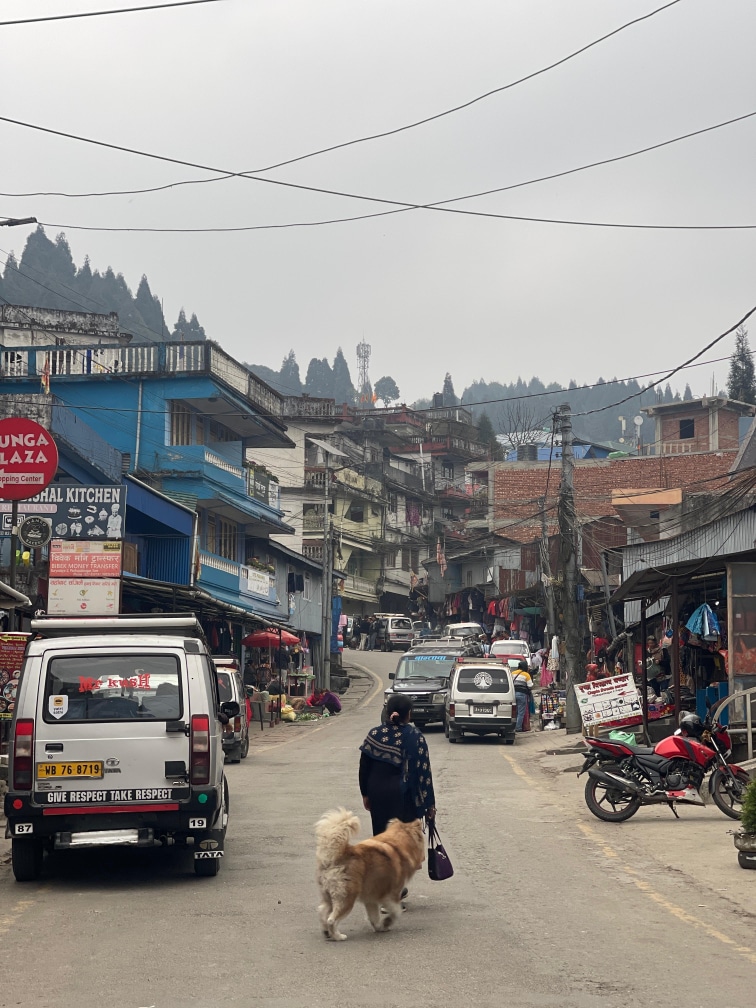
Border Market – I see Pashupati Market is a bustling cross-border market located in Pashupatinagar, Nepal . It serves as a significant trading hub, particularly for goods exchanged between Nepal and India.
Why people come here
Shopping & Trade – People typically come here for shopping, especially for imported goods and products that are often cheaper or more readily available than in other areas. It's also a point of trade for local merchants.
What to expect
Lively Atmosphere – You can expect a lively and somewhat chaotic atmosphere, typical of a border market. It's usually crowded with shoppers and vendors, offering a wide array of products. The experience is generally suited for those who enjoy vibrant market environments and are looking for good deals.
Best buys
Variety of Goods – This market is known for a variety of goods, including electronics, clothing, cosmetics, household items, and sometimes even food products. Many items are imported, often from India, and are sought after for their competitive prices.
Bargaining and payment tips
Negotiation Common – Bargaining is often common here, especially for non-fixed price items, so don't hesitate to negotiate politely for a better deal. Cash is generally the preferred and most widely accepted payment method, though some larger shops might accept mobile payments.
Crowd patterns
Busiest on Weekends – The market is typically busiest during weekends and public holidays, as well as in the evenings. If you prefer a less crowded experience, visiting on weekdays during the morning or early afternoon might be better.
Practical info
Accessibility & Duration – Access to Pashupati Market is generally straightforward by local transport. I'd say you'd typically spend anywhere from 1 to 3 hours here, depending on how much shopping you plan to do. Be mindful of your belongings in crowded areas.
Good to know
Cross-border Trade – Pashupati Market's proximity to the Indian border means it plays a significant role in cross-border commerce, influencing the types of goods available and their pricing. It's a snapshot of regional trade dynamics.