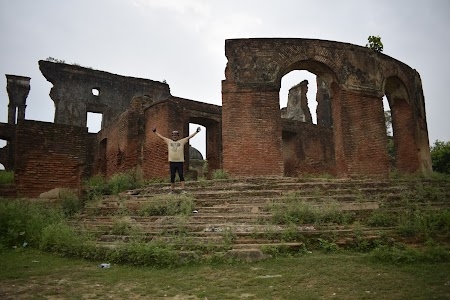
Historical Ruin – Musa Bagh is a historical garden and a ruined palace complex located on the banks of the River Gomti in Lucknow. It was once a grand retreat for the Nawabs of Awadh.
Why people come here
History and Serenity – People typically visit Musa Bagh to experience its historical remnants, enjoy the peaceful riverside setting, and explore the architectural ruins. It's also a spot for those interested in local history and photography.
What to expect
Tranquil Ruins – I find Musa Bagh to be a relatively quiet and serene location, offering a glimpse into the past. You can expect to see crumbling yet majestic structures, open spaces, and views of the river. It generally suits history enthusiasts, photographers, and those seeking a peaceful escape from the city bustle. Crowd levels are usually moderate.
Historical background
Nawabi Retreat – Musa Bagh was constructed by Nawab Saadat Ali Khan II in the early 19th century as a summer palace and hunting lodge. It later played a significant role during the Indian Rebellion of 1857 , serving as a strategic point for the rebels.
Best time to go
Cooler Months – The best time to visit Musa Bagh is generally during the cooler months, from October to March, when the weather is more pleasant for exploring outdoors. Early mornings or late afternoons are ideal to avoid the midday heat.
Practical info
Open Grounds – Musa Bagh is largely an open area with ruins, so wear comfortable shoes for walking on uneven terrain. There are typically no formal entry fees, and the site is generally accessible during daylight hours. Parking is usually available nearby, though it might be informal.
Good to know
Photography Spot – The picturesque ruins and riverside views make Musa Bagh a popular spot for photography, especially for those interested in capturing historical architecture and natural landscapes. It’s a place where you can wander and imagine the grandeur of a bygone era.