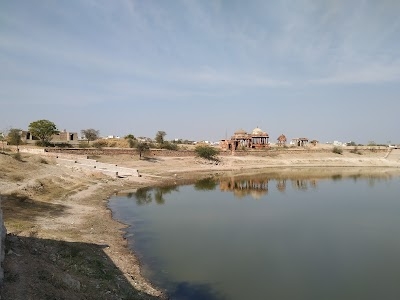
Devotional Site – This is a Hindu temple dedicated to Lord Krishna, a revered deity in Hinduism, often worshipped as the Supreme Being or as an avatar of Vishnu. Temples like this serve as central places for worship, prayer, and community gatherings.
Spiritual or cultural significance
Sacred Space – For devotees, this temple is a sacred space for connecting with the divine. It plays a role in fostering spiritual growth, celebrating religious festivals, and preserving cultural traditions associated with Krishna worship. Many come here seeking blessings, peace, and spiritual solace.
What to expect
Peaceful Atmosphere – I expect a generally calm and reverent atmosphere, especially during non-peak hours. You'll likely find devotees performing prayers, offering flowers or food, and participating in aarti (ritual of light). The environment is typically welcoming to all who wish to experience a moment of tranquility or spiritual reflection.
Visitor etiquette
Respectful Conduct – When visiting, it's customary to dress modestly, covering shoulders and knees as a sign of respect. Removing your footwear before entering the main shrine area is generally expected. Photography rules can vary, so it's always good to observe signs or ask if unsure. Maintaining a quiet and respectful demeanor is appreciated.
Practical info
General Guidance – Temple timings often align with daily prayer rituals, typically opening in the morning, closing for a midday break, and reopening in the evening. Facilities like shoe racks, donation boxes, and sometimes washrooms are commonly available. Accessibility may vary, so it's good to be prepared for stairs or uneven surfaces.
Good to know
Community Hub – Beyond daily prayers, temples often host special events, religious discourses, and community services. Visiting during a festival dedicated to Lord Krishna, such as Janmashtami, can offer a vibrant and immersive cultural experience, though it will also be much more crowded.