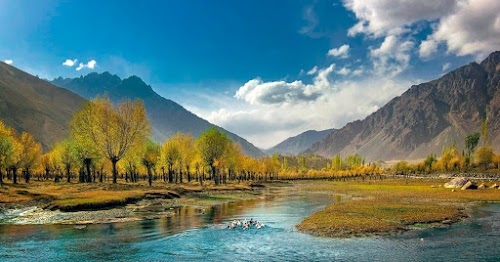
Majestic waterway – The Gilgit Baltistan River is a significant natural landmark flowing through the picturesque region of Gilgit-Baltistan in Pakistan. I know it as a major tributary of the Indus River , fed by glacial meltwater and mountain springs, contributing to the region's stunning landscapes.
Why people come here
Scenic beauty and adventure – Visitors are drawn to the Gilgit Baltistan River for its breathtaking natural beauty, offering dramatic views of towering mountains and lush valleys. It's a destination for those seeking both tranquil natural immersion and adventurous outdoor activities.
What to expect
Serene yet wild – I find the atmosphere around the Gilgit Baltistan River to be generally serene, especially in quieter spots, but also quite wild and untamed. You can expect stunning vistas, the sound of rushing water, and a sense of being surrounded by immense natural power. It suits nature lovers, photographers, and adventure seekers.
Best time to go
Summer and autumn – The best time to experience the Gilgit Baltistan River is typically during the warmer months, from late spring to early autumn (May to October). During this period, the weather is generally mild, and access to various points along the river is easier.
What to do here
Activities galore – Along the Gilgit Baltistan River, I see many activities. You can enjoy scenic drives along its banks, offering incredible photographic opportunities. Trekking and hiking in the surrounding valleys often provide views of the river. For the adventurous, white-water rafting and kayaking can be popular during certain seasons and stretches.
Safety and preparedness
Mountainous terrain – When visiting, I advise being prepared for mountainous terrain and variable weather. The river currents can be strong, so always prioritize safety, especially if engaging in water sports. It's wise to check local conditions and advisories before planning activities.
Accessibility and effort level
Varying access – Access to different parts of the Gilgit Baltistan River varies. Many sections are easily reachable via well-maintained roads in the region of Gilgit-Baltistan . However, exploring more remote areas or engaging in activities like rafting might require specific transport and a moderate to high fitness level.