
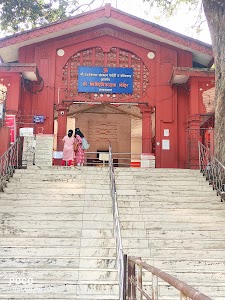



Sarasbaug Ganpati: A Serene Temple and Garden
What is this place? – I see Sarasbaug Ganpati as a prominent temple dedicated to Lord Ganesha, nestled within the beautiful Sarasbaug garden. It's a beloved landmark in Pune.
Why people come here – People typically visit here for worship, peaceful reflection, and to enjoy the surrounding garden. It's a popular spot for families, devotees, and those seeking a tranquil escape from the city bustle.
What to expect – You can expect a calm and spiritual atmosphere, especially within the temple premises. The garden itself is often lively with visitors enjoying walks, picnics, and the greenery. The crowd levels can vary, with more visitors during festivals and weekends.
Spiritual or cultural significance
Devotional Hub – This temple holds significant religious importance for devotees of Lord Ganesha, a revered deity in Hinduism. It's a central place for prayers and celebrations, particularly during Ganesh Chaturthi , when it becomes a major pilgrimage site. The idol of Ganesha here is believed to be self-manifested (Swayambhu).Visitor etiquette
Respectful Conduct – When visiting, it's customary to dress modestly. Photography inside the main temple sanctum is generally restricted, so it's best to observe and respect local customs. Maintaining silence or speaking softly within the temple area is also appreciated.Facilities for visitors
Convenience – You'll generally find facilities like shoe-keeping services near the temple entrance and washrooms within the Sarasbaug garden area. There are also usually vendors selling flowers and offerings for the deity. Parking can be found around the garden, though it might be limited during peak times.Best time to go
Morning or Evening – The best time to visit is generally in the early morning or late afternoon/evening. These times offer cooler weather and a more serene experience, especially if you wish to avoid larger crowds. Weekday mornings are typically less busy than weekends or festival days.Good to know
Historical Connection – The temple was originally built by Shrimant Nanasaheb Peshwa, the fourth Peshwa of the Maratha Empire, in the 18th century, making it a site with historical roots as well as spiritual significance.