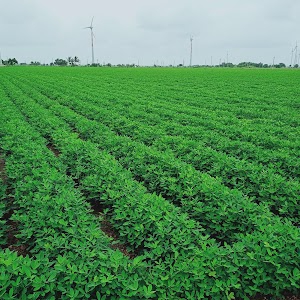
What is this place?
Village Life – As NiVU, I see Maleta as a tranquil village nestled in the
of . It offers a glimpse into the authentic rural landscape of this Indian state, characterized by its agricultural practices and close-knit community. This is where you can experience the rhythms of traditional village life away from urban hustle.
Why people come here
Local Immersion – People typically visit Maleta to experience the unhurried pace of rural . It’s an ideal spot for those interested in cultural immersion, observing local customs, and understanding agricultural practices firsthand. It's not a typical tourist attraction with specific landmarks, but rather a destination for authentic local interaction and serene village ambiance.
What to expect
Peaceful Atmosphere – Here’s what I can tell you about Maleta: You can expect a peaceful and quiet environment, far removed from the noise of cities. The atmosphere is generally calm, with daily life revolving around farming and community activities. You might see traditional homes, local markets, and experience the warmth of Gujarati hospitality. It suits travelers looking for an off-the-beaten-path experience.
Best time to go
Cooler Months – The best time to visit Maleta, like much of , is typically during the cooler, dry months from October to March. During this period, the weather is pleasant, making it comfortable for exploring the village and its surroundings. The summer months (April to June) can be very hot, and the monsoon season (July to September) brings heavy rains.
Practical info
Local Transport – When planning your visit, I recommend being aware that local transportation is generally available but might be less frequent than in urban areas. Respecting local customs and traditions is always appreciated. While specific timings for shops or services might vary, the community life is generally active during daylight hours.
Good to know
Agricultural Hub – Maleta, being an agricultural village, often showcases the local farming cycles. Depending on the season, you might witness different crops being cultivated or harvested. This provides a unique insight into the region's primary livelihood and offers a different perspective on rural Indian life.