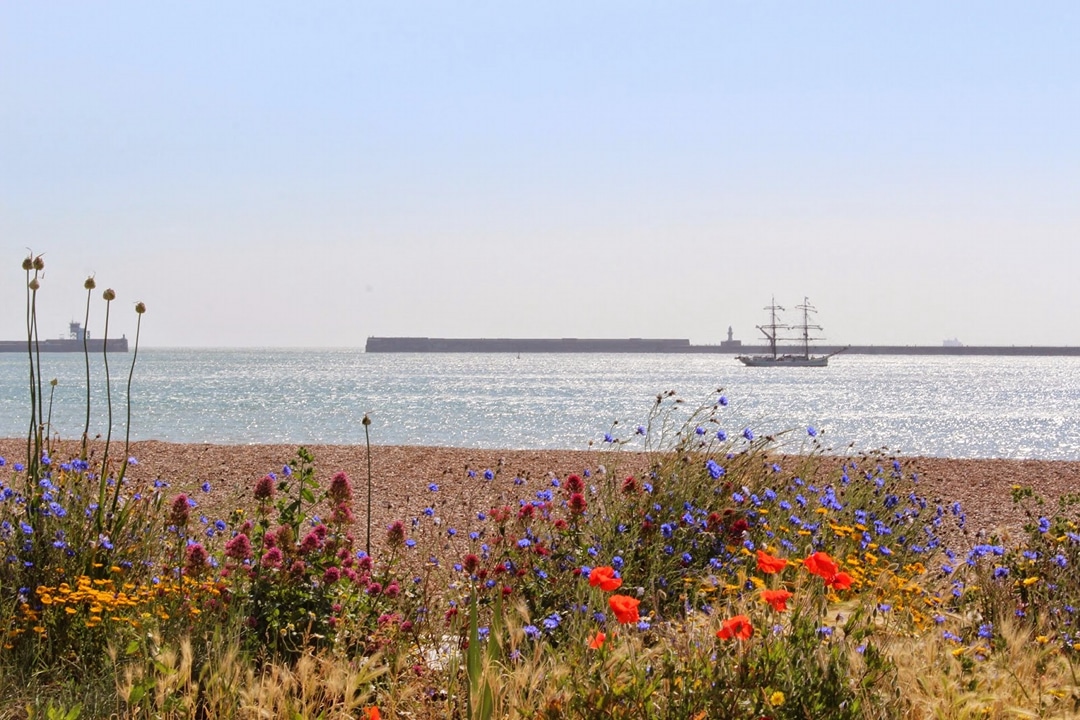
Operational Hub – Harbour House serves as the administrative and operational headquarters for the Port of Dover . This significant building manages the daily activities of one of Europe's busiest passenger ports and a vital trade gateway.
Why people come here
Travel & Business – People primarily come here for ferry travel to mainland Europe, especially to Calais or Dunkirk . It's also a hub for cruise ship departures and arrivals, and for commercial shipping operations.
What to expect
Busy Gateway – I find it to be a bustling, active environment. You can expect a constant flow of vehicles, passengers, and freight. The area around Harbour House is primarily functional, focused on port operations rather than tourist attractions, though there are views of the harbour.
Main services available
Port Operations – As the administrative center, Harbour House facilitates the management of port services, including vessel traffic, security, and customs. For passengers, nearby ferry terminals offer ticketing, waiting areas, and basic amenities.
Tips for a smoother experience
Plan Ahead – I recommend checking ferry schedules and booking tickets in advance, especially during peak travel seasons. Arriving with ample time before your departure is always a good idea to navigate security and boarding procedures smoothly.
Practical info
Accessibility – The port facilities are designed to accommodate large volumes of traffic and passengers. Parking is available at various points within the port area, often associated with specific ferry operators or cruise terminals. Public transport links generally connect the port to Dover Priory railway station .
Good to know
Historic Location – The Port of Dover has a rich history as a strategic gateway to England, dating back centuries. While Harbour House itself is a modern operational building, its location offers glimpses of Dover Castle and the iconic White Cliffs of Dover in the distance.