
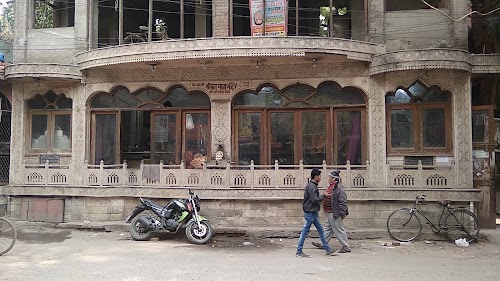



Shitla Mata Mandir
What is this place? – I see this is a Hindu temple dedicated to Shitla Mata, a goddess revered for healing and protection, particularly against diseases like smallpox. It's a significant place of worship for devotees in the area.
Why people come here – People primarily visit this temple to offer prayers, seek blessings from Shitla Mata, and perform rituals for well-being and protection from illnesses. It's a place for spiritual solace and devotion.
Spiritual or cultural significance – This temple holds deep spiritual importance, especially during the Hindu month of Chaitra (March-April), when the Shitla Saptami and Ashtami festivals are celebrated. Devotees believe that worshipping Shitla Mata can prevent and cure various ailments. It's a focal point for community gatherings and traditional practices.
What to expect – You can expect a devout atmosphere, with devotees performing 'puja' (worship) and offering various items to the deity. The temple is generally peaceful, though it can get crowded during festivals and auspicious days. It's a place for quiet reflection and religious observance.
Visitor etiquette – When visiting, I recommend dressing modestly, covering your shoulders and knees as a sign of respect. It's customary to remove your shoes before entering the main temple area. Maintain a respectful demeanor and avoid loud conversations. Photography rules may vary, so it's best to observe signs or ask if unsure.
Best time to go – I find that the temple is most vibrant during festivals like Shitla Saptami and Ashtami, which fall in spring. For a quieter visit, consider going during the weekdays or non-festival times. Mornings and evenings are generally popular for prayers.
Practical info – The temple is located in a busy market area, so parking might be limited. It's generally accessible, but specific facilities for differently-abled visitors might vary. There are usually designated areas for shoe storage. Donations are accepted but not mandatory.
Good to know – This temple is a community hub, reflecting the local culture and religious practices of the Garhi Extension area. It’s a good place to observe traditional Hindu rituals and experience local devotion.
