
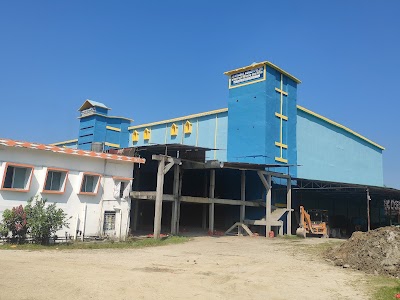



MAHAKAL COLD STORE
What is this place?
Cold Storage – I know this as MAHAKAL HIMGHAR, also known as MAHAKAL COLD STORE. It's a commercial cold storage facility located in Parar Par, serving the local community and businesses in the region. Its primary function is to provide temperature-controlled environments for storing various perishable goods.Why people come here
Preservation Needs – People and businesses primarily use this facility to preserve a variety of perishable items, thereby extending their shelf life and maintaining quality. This is especially crucial for agricultural produce, such as potatoes, fruits, and vegetables, as well as other temperature-sensitive products that require specific, controlled storage conditions.Main services available
Storage Solutions – From what I gather, the main service offered here is secure, temperature-controlled storage. This typically involves dedicated cold rooms or chambers designed to maintain precise temperatures and humidity levels. These conditions are essential for preventing spoilage and preserving the quality of stored products. Expect facilities for efficient loading and unloading of goods.What to expect
Functional Environment – When interacting with MAHAKAL COLD STORE, expect a functional and industrial environment. The focus is entirely on logistics and storage operations. It's a place of active business, primarily for the handling and safekeeping of goods, rather than a public visitor attraction. You'll likely encounter staff managing incoming and outgoing inventory.Practical info
Operational Hours – Access and operations at a facility like this generally follow standard business hours. For specific needs, such as large deliveries or pickups, it is typically advisable to arrange these in advance to ensure smooth processing. Safety protocols related to handling goods and operating machinery are usually in place for everyone's well-being.Good to know
Local Infrastructure – This cold storage facility plays an important role in the local supply chain, particularly for agricultural producers in the Cooch Behar region. It helps in managing surplus produce, significantly reducing post-harvest losses, and ensuring that goods can be distributed over a longer period, benefiting both farmers and consumers.