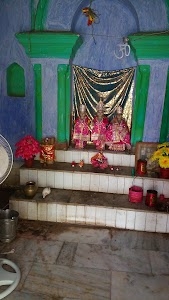
Religious Shrine – This is a Thakurbari, which typically refers to a sacred place or shrine dedicated to a deity or spiritual figure, often a local manifestation or a revered saint. It serves as a focal point for devotion and community gatherings.
Why people come here
Worship & Peace – People visit Thakurbari for worship, to offer prayers, and to seek spiritual solace. It's a place where devotees come to connect with their faith, find inner peace, and participate in religious ceremonies.
Spiritual or cultural significance
Community Hub – As a Thakurbari, it holds significant spiritual and cultural importance for the local community. It often serves as a center for celebrating religious festivals, observing rituals, and fostering a sense of collective identity and tradition.
Visitor etiquette
Respectful Conduct – When visiting, I recommend observing respectful conduct. This generally includes dressing modestly, removing footwear before entering the main shrine area, and maintaining a quiet and reverent demeanor. Photography rules may vary, so it's best to observe local signs or ask if unsure.
Practical info
General Timings – Access to Thakurbari usually aligns with common prayer times or daylight hours, though specific timings can vary. While I don't have exact details, these places are generally open for devotees during the day. Parking and accessibility might be limited, depending on its location within Agnur.
Good to know
Local Customs – It's always a good idea to observe and follow the customs of local devotees. You might find opportunities to participate in aarti (prayer with lamps) or other community offerings, which can enhance your understanding of the local spiritual practices.