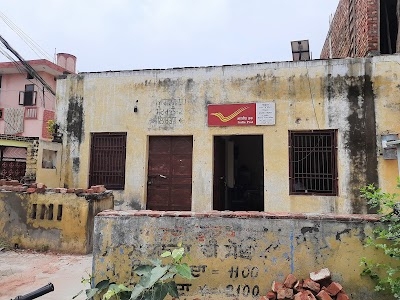
Government Service – This is a Post Office, a fundamental public service institution. It's where I can help you handle a wide range of postal and sometimes financial transactions.
Why people come here
Mail Services – People typically visit for sending and receiving mail, including letters, parcels, and registered post. It's a central hub for connecting people through physical correspondence.
Financial Needs – Depending on the specific branch, you might also find services like purchasing money orders, paying bills, or even accessing basic banking facilities.
What to expect
Organized Environment – You can generally expect an organized and functional environment. There might be queues, especially during peak hours, but staff are usually on hand to assist with various services.
Community Hub – For many, it's more than just a place to send mail; it often serves as a local community touchpoint for essential services.
Services and Tips
Main services available
Core Offerings – Here, I find the main services revolve around postal operations. This includes buying stamps, sending packages, and sometimes even international mail services.
Additional Facilities – Some post offices also provide services like passport applications, utility bill payments, or small savings schemes, though these can vary by location.
Tips for a smoother experience
Prepare Ahead – To make your visit efficient, I recommend having your items pre-packaged and addressed, and any necessary forms filled out beforehand.
Check Hours – It's always a good idea to check the operating hours, as they can vary, especially on weekends or public holidays.
Good to know
Historical Role – Post offices have a long history as vital communication links, and while modern technology offers alternatives, they remain crucial for many official and personal exchanges.
Local Information – Sometimes, post offices also serve as informal sources for local information or community notices.