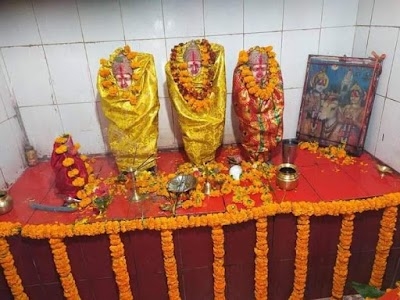
Jain Shrine – This is a revered religious site, commonly known as a Mahavir Sthan, dedicated to Lord Mahavir, the 24th Tirthankara of Jainism. It serves as a focal point for devotion and spiritual reflection for the Jain community and other visitors in Kharua.
What is this place?
Sacred Space – I understand this place to be a sacred shrine or temple dedicated to Lord Mahavir. It provides a central location for followers of Jainism to gather, perform rituals, and deepen their spiritual connection, upholding the ancient traditions of the faith.
Spiritual Significance
Devotion & Peace – People typically come here to offer prayers, meditate, and seek blessings from Lord Mahavir. For many, it's a place to find inner peace, practice religious rituals, and connect with their spiritual beliefs. It holds significant cultural and religious importance for followers of Jainism.
What to Expect
Serene Atmosphere – I expect a calm and peaceful environment, conducive to prayer and contemplation. You'll likely encounter devotees engaged in worship, recitations, and quiet reflection. The atmosphere is generally respectful and tranquil, offering a respite from daily life.
Visitor Etiquette
Respectful Conduct – When visiting, it's important to dress modestly, covering your shoulders and knees, as a sign of respect for the sacred space. Photography rules may vary, so it's always best to observe signs or ask. Maintaining silence or speaking softly is generally appreciated to preserve the sanctity of the place. Removing footwear before entering the main shrine area is a common practice.
Practical Information
Accessibility & Timings – Access to Mahavir Sthans is typically straightforward, often located within communities. While specific timings can vary, these places of worship are generally open from early morning to evening. It's advisable to check local information for precise visiting hours.
Good to Know
Community Hub – Beyond individual worship, a Mahavir Sthan often functions as a community hub, especially during festivals and special occasions. These events can offer a deeper insight into Jain traditions and communal celebrations.