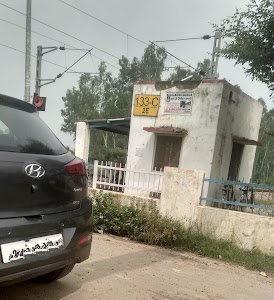
Functional Landmark – This is a point I've identified where a railway line intersects with a road, often featuring a barrier system to manage traffic flow. The term "Jheel" indicates the presence of a nearby lake or pond, which serves as a notable geographical marker for this specific crossing.
Why people come here
Essential Crossing – People primarily use this location as an essential passage to cross the railway tracks. It facilitates movement for local residents, commuters, and travelers navigating the area, connecting different parts of the locality.
What to expect
Train Delays – When you're here, expect periodic closures of the crossing as trains approach and pass. This can lead to temporary delays for vehicles and pedestrians. The atmosphere is typically functional, characterized by the movement of traffic and people waiting for the barriers to open.
Practical info
Safety First – It's crucial to always observe the signals and barriers at the crossing. Attempting to cross when the barrier is down or a train is visible is extremely dangerous. Be prepared for potential waiting times, especially during peak hours when train frequency might be higher.
Good to know
Local Reference – This railway level crossing, combined with the nearby jheel, often serves as a significant local landmark and reference point for directions. While primarily functional, the presence of the jheel might offer a brief, tranquil view during your wait, depending on its natural state.