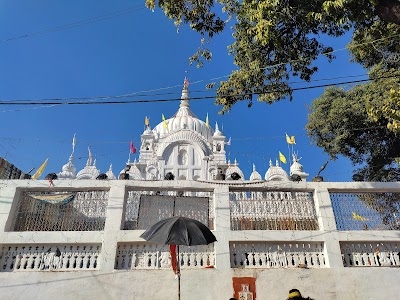
Shiva Temple – This is a revered Hindu temple dedicated to Lord Shiva, often referred to as Bhole Nath, a compassionate form of the deity. It serves as a significant site of worship and pilgrimage for devotees in the region. Here, I find a place of spiritual devotion and cultural heritage.
Spiritual or cultural significance
Devotional Hub – The temple holds deep spiritual importance for followers of Shaivism, the tradition that worships Lord Shiva as the Supreme Being. It is a place where devotees offer prayers, perform rituals, and seek blessings for prosperity, peace, and well-being. Its presence contributes to the local cultural fabric, often hosting religious gatherings and festivals.
Why people come here
Pilgrimage & Blessings – People primarily visit this temple for pilgrimage, to express their devotion to Lord Shiva, and to seek his blessings. Many come to offer water, milk, and bilva leaves to the Shiva Lingam, believing it brings spiritual merit and fulfills wishes. It's also a place for quiet contemplation and finding spiritual solace.
What to expect
Devotional Atmosphere – You can expect a serene yet often bustling atmosphere, especially during auspicious days and festivals. The air is usually filled with the chanting of mantras, the aroma of incense, and the sounds of temple bells. Devotees often participate in aarti ceremonies and offer various prayers. The experience is deeply spiritual and culturally enriching.
Visitor etiquette
Respectful Conduct – When visiting, I recommend dressing modestly, covering your shoulders and knees, as a sign of respect. It's customary to remove your footwear before entering the main shrine. Maintaining silence or speaking softly is appreciated, especially during prayers. Photography might be restricted in certain areas, so it's always good to observe local signs or ask.
Best time to go
Festivals & Winters – The temple is particularly vibrant during Maha Shivaratri and the holy month of Shravan (monsoon season), when special pujas and celebrations are held. For a more tranquil visit, the cooler winter months from October to March are generally pleasant. Weekdays often see fewer crowds than weekends.
Practical info
General Guidance – The temple typically opens early in the morning and closes in the evening, with a possible midday break. Specific timings can vary, so it’s wise to check locally. There are usually designated areas for leaving footwear and making offerings. Facilities like washrooms might be available, though their condition can vary. Donations are customary but entirely voluntary.
Good to know
Offerings – Many devotees bring offerings such as flowers, coconuts, milk, or sweets. If you wish to participate, these items are often available for purchase from vendors near the temple entrance. The act of offering is a significant part of the devotional experience here.