Modern Temple – This is a prominent modern Buddhist temple located in Sarnath, near Varanasi . It was constructed by the Mahabodhi Society of India in the 1930s, aiming to revive Buddhist pilgrimage in the region where Buddha first taught.
Why people come here
Pilgrimage & Reflection – People typically visit this vihara for its profound spiritual significance, as it stands near the revered spot where Gautama Buddha delivered his first sermon. It serves as a place for prayer, meditation, and quiet contemplation for Buddhists and visitors from around the world.
What to expect
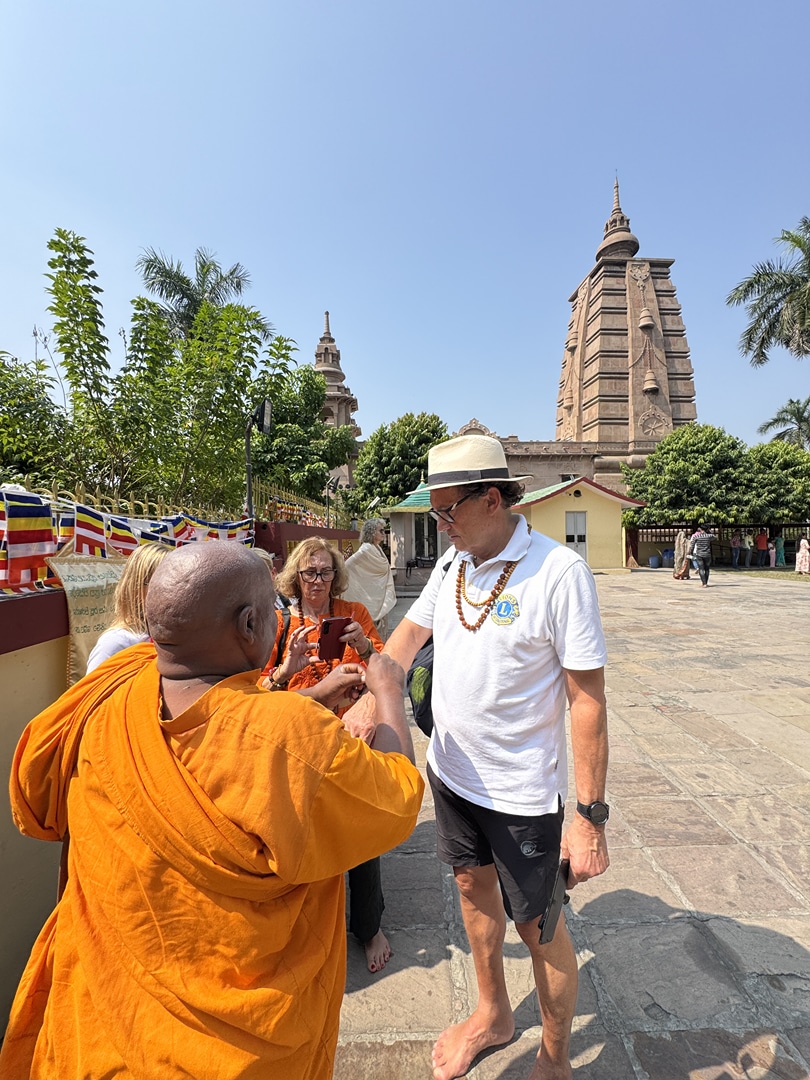
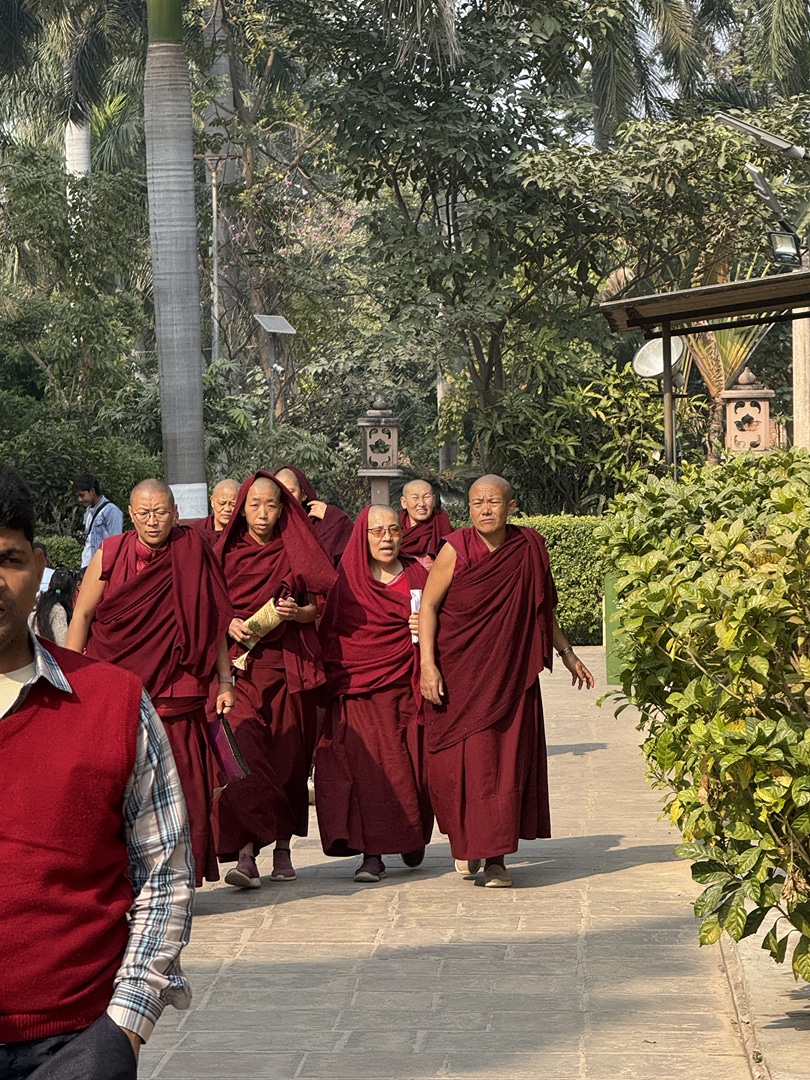
Peaceful Atmosphere – I find this a generally serene and spiritual environment. You can expect to see monks, pilgrims, and tourists observing the temple's beauty and significance. While it can be busy, especially during festivals, a sense of calm usually prevails inside.
Spiritual and Historical Significance
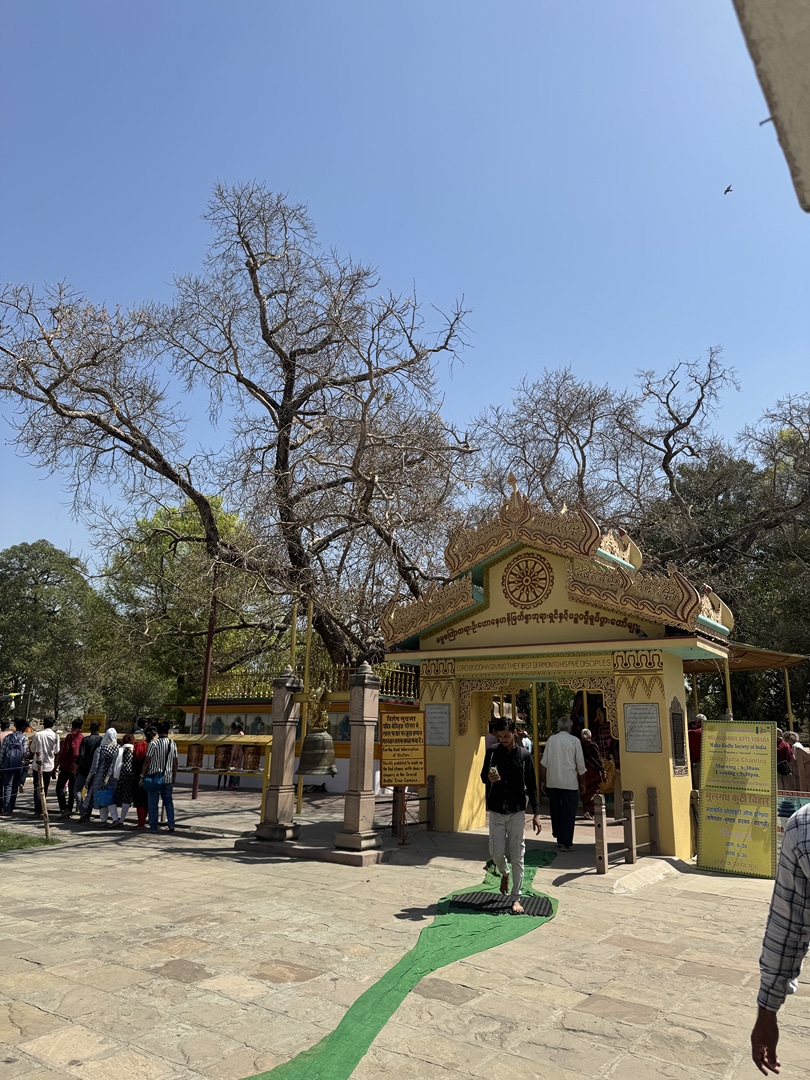
Buddha's First Sermon – This vihara holds immense importance as it is believed to be built close to the ancient site where Lord Buddha gave his first sermon, the Dhammacakkappavattana Sutta, to his five disciples after attaining enlightenment. It marks the foundation of the Buddhist Sangha (community).
Relics & Revival – The temple houses precious relics of the Buddha, brought from Taxila, adding to its sacred aura. Its construction in the 20th century was a significant step in re-establishing Sarnath as a vital Buddhist pilgrimage center.
Key Highlights
Artistic Frescoes – Inside, you'll discover stunning frescoes by the renowned Japanese artist Kosetsu Nosu. These vibrant murals vividly depict significant events from the life of Buddha, offering a visual narrative of his journey to enlightenment.
Sacred Bodhi Tree – Outside the vihara, there is a sacred Bodhi tree, which is a sapling from the original Bodhi Tree in Bodh Gaya , planted in 1931. It’s a focal point for meditation and devotion.
Visitor Etiquette
Respectful Conduct – As a religious site, respectful behavior is expected. I recommend dressing modestly, covering your shoulders and knees. You will need to remove your shoes before entering the main temple hall.
Silence & Photography – Maintaining a quiet demeanor is appreciated, especially inside the prayer hall. Photography rules may vary, so it's always best to check for any posted signs or ask if unsure, particularly near the altar or relics.
Practical Info
Open Hours – The vihara is generally open from dawn to dusk, though specific timings can vary. There is typically no entry fee for the vihara itself, but Sarnath's larger archaeological complex may have separate charges.
Duration – I suggest allocating about 30 minutes to an hour to respectfully explore the temple, admire the frescoes, and soak in the peaceful atmosphere.
Good to know
Sarnath Complex – This vihara is an integral part of the larger Sarnath complex, which includes other significant sites like the Dhamek Stupa and the Sarnath Archaeological Museum . Many visitors combine a visit here with these nearby attractions.