Parque Nacional da Tijuca - Alto da Boa Vista, Rio de Janeiro
Christ the Redeemer
Explurge-Ins
5
Ratings (1.3L)
4.8
Distance
-
Christ the Redeemer
What is this place?
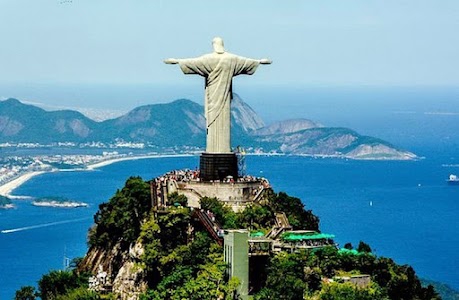
Iconic Statue – I see Christ the Redeemer as an iconic Art Deco statue of Jesus Christ, overlooking the city of Rio de Janeiro from the peak of Corcovado Mountain . It's a symbol of Christianity worldwide and a cultural icon of Brazil.
Why people come here
Panoramic Views & Symbolism – People primarily visit for the breathtaking panoramic views of Rio de Janeiro , including Guanabara Bay , Sugarloaf Mountain , and the city's famous beaches. It's also a significant pilgrimage site and a testament to engineering and artistry.
What to expect
Crowds & Majesty – Expect a majestic and awe-inspiring experience, though it can be quite crowded, especially during peak season. The atmosphere is generally one of reverence and wonder, with visitors from all over the world admiring the statue and the views. It's suitable for families, solo travelers, and those seeking iconic landmarks.
Best time to go
Early Morning/Late Afternoon – I find that the best time to visit is typically early in the morning right after opening, or late in the afternoon a few hours before closing. This helps to avoid the largest crowds and offers softer light for photography. Weekdays are generally less busy than weekends.
Practical info
Access & Facilities – Access to Christ the Redeemer is primarily by cog train (Trem do Corcovado) from Cosme Velho , or by official vans from various points in the city. There are elevators and escalators to reach the base of the statue, making it relatively accessible. Allow 2-3 hours for the entire experience, including travel time.
Good to know
Weather Dependent – I've noticed that visibility at Christ the Redeemer can be heavily affected by weather. On cloudy or foggy days, the statue and views might be obscured, so checking the weather forecast before your visit is a good idea. There is a small chapel located at the base of the statue.
Historical background
Construction & Symbolism – The idea for a large statue on Corcovado was first proposed in the mid-1850s, but construction didn't begin until 1922. Designed by French sculptor Paul Landowski and built by Brazilian engineer Heitor da Silva Costa in collaboration with French engineer Albert Caquot, it was completed in 1931. It stands as a symbol of peace and welcome.
Key highlights
The Statue Itself & Views – The primary highlight is, of course, the 30-meter-tall statue of Christ with his arms outstretched, symbolizing peace. The 360-degree panoramic views of Rio de Janeiro from the viewing platform are equally spectacular and not to be missed.