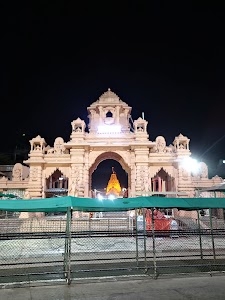
Ambaji Temple
What is this place?
Ancient Shrine – This is one of India's most significant pilgrimage sites, dedicated to the Mother Goddess Amba. It's believed to be one of the
51 Shakti Peeths, where the heart of the Goddess Sati fell.
Why people come here
Spiritual Devotion – People primarily visit for religious purposes, to offer prayers, seek blessings from the Mother Goddess, and participate in various rituals. It's a place of deep
faith and spiritual solace for devotees.
Spiritual or cultural significance
Shakti Peeth – Ambaji Temple
is a revered Shakti Peeth, making it a powerful center for Shaktism, a major tradition of Hinduism. The temple doesn't house an idol, but a holy 'Shri Yantra' is worshipped. It holds immense cultural importance, especially during festivals like Navratri.
What to expect
Devotional Atmosphere – You can expect a vibrant and devotional atmosphere, often with large crowds, especially during festivals. The temple complex is generally well-maintained, and there's a strong sense of community and faith among visitors.
Best time to go
Cooler Months – The best time to visit is typically during the cooler months from October to March. Visiting during Navratri (September/October) offers a unique and festive experience, though it will be very crowded.
Visitor etiquette
Respectful Conduct – As a religious site, modest dress is recommended. Photography inside the inner sanctum is generally restricted. Visitors are expected to maintain silence and respect the sanctity of the place. Removing footwear before entering the main temple area is customary.
Practical info
Managed Facilities – The temple complex generally offers facilities like shoe stands, donation counters, and basic amenities. Be prepared for queues, especially on auspicious days. Accessibility for those with mobility challenges might be limited in certain areas due to the traditional temple structure.
Good to know
No Idol Worship – Unlike most Hindu temples, there is no idol of the Goddess in the main shrine. Instead, the Shri Yantra is worshipped through a curtain. The temple is also close to the Gabbar Hill, which is another significant site associated with the Goddess.