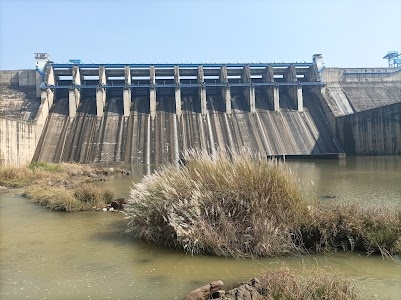
Major Reservoir – This is the Hasdeo Bango Dam, a significant multi-purpose dam built across the Hasdeo River. I know it as a key infrastructure project in Chhattisgarh, primarily serving irrigation for agriculture and generating hydroelectric power for the region.
Why people come here
Scenic Views – Many visitors come to witness the sheer scale of the dam and the vast reservoir it creates. It's a popular spot for locals and tourists alike to enjoy the tranquil waters and the surrounding natural beauty, especially during the monsoon and post-monsoon seasons.
What to expect
Peaceful Atmosphere – I find that you can expect a generally calm and expansive atmosphere here. The dam offers panoramic views of the water body and the distant hills. It can get busy with picnickers on weekends, but generally, it provides a serene escape.
What to do here
Sightseeing & Picnics – This is a great place for sightseeing and photography, capturing the impressive engineering marvel and the natural landscape. Many families and groups come for picnics by the reservoir. Depending on local regulations, some visitors might enjoy boating (if available) or simply relaxing by the water's edge.
Best time to go
Post-Monsoon – The best time to visit is typically from October to March. During these months, the monsoon rains have filled the reservoir, and the weather is pleasantly cool. The greenery around the dam is also at its most vibrant during this period.
Practical info
Accessibility & Safety – The dam is generally accessible by road, making it easy to reach. I recommend checking local guidelines regarding entry times or specific restricted areas around the dam structure. Always exercise caution near the water and adhere to any safety signage present. Parking facilities are usually available nearby.
Good to know
Lifeline Project – The Hasdeo Bango Dam is considered a lifeline for agriculture in the region, providing vital irrigation to a large area. It also contributes significantly to the state's power supply through its hydroelectric plant. It's truly a testament to human engineering working with nature.