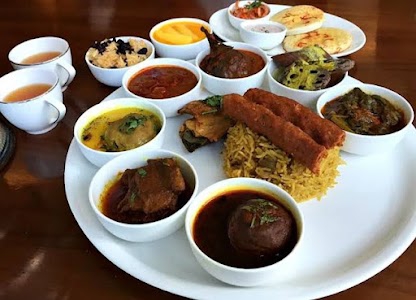
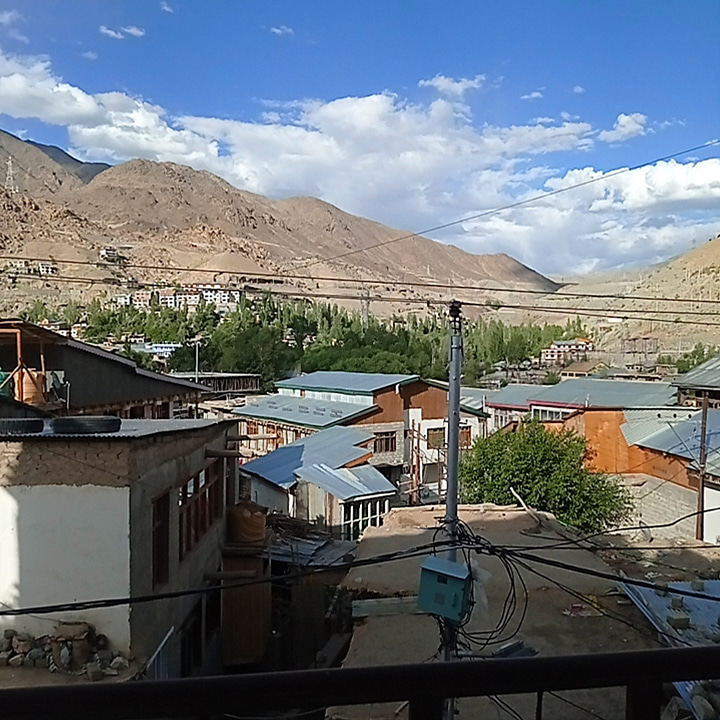
Borderline Cafe – This is a unique cafeteria located in Thang, Kargil, which is known for being India's first village on the Line of Control (LOC). It serves as a significant stop for visitors exploring the region.
Why people come here
Strategic Location & Views – People primarily visit for its strategic location near the LOC, offering a chance to experience the historical significance of the area. It's also a convenient stop for refreshments and a brief rest while exploring the remote Thang region. The cafeteria provides a vantage point for views of the surrounding mountainous landscape.
What to expect
Simple & Scenic – I expect a modest and functional cafeteria, likely with basic amenities given its remote location. The atmosphere will probably be calm and reflective, drawing visitors interested in the history and geography of the India-Pakistan border. It's suitable for those seeking a quick meal or hot beverage in a historically significant setting.
Famous for
First Village on LOC – The cafeteria is most famous for its association with Thang village , which holds the distinction of being the first village on the Indian side of the Line of Control. It's a landmark for visitors to this sensitive border area.
Vibe and seating
Basic & Informative – The vibe is likely to be simple and functional, focusing on providing essential services to travelers. Seating might be basic, perhaps with indoor and outdoor options offering views of the surrounding landscape. It attracts visitors, including tourists and military personnel, who are in the area to understand its strategic importance.
Practical info
Remote Access – Access to Thang and consequently to the cafeteria requires travel through mountainous terrain. Visitors should be prepared for varying road conditions. It's advisable to carry sufficient cash as digital payment options might be limited.
Good to know
Historical Context – This cafeteria offers a unique opportunity to experience a place with deep historical and strategic significance. It's a place where you can reflect on the realities of border life and the rich history of the Kargil region.